
Modality Profile
Compression Therapy
A low-cost, low-maintenance foundation modality with the highest utilization rate of any recovery offering — and the easiest to get wrong on pricing.
- Per boot unit
- $1.2K–$3K
- Per station
- 60–100 sq ft
- Typical session price
- $15–$35
- Staffing requirement
- Low
What This Modality Is
Pneumatic compression, applied to limbs
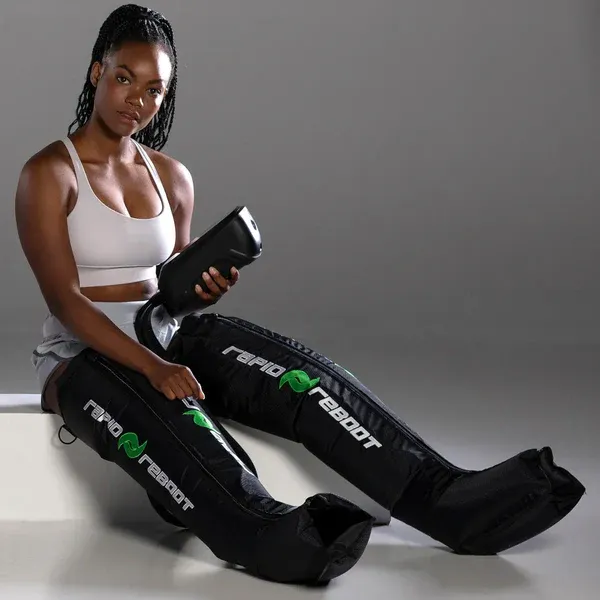
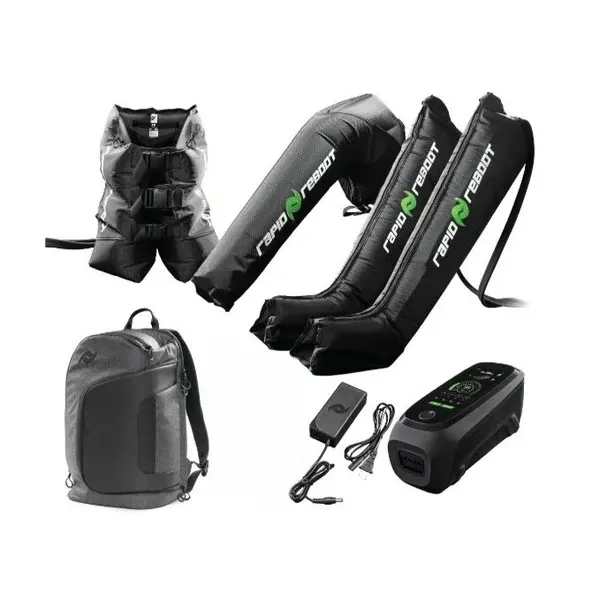
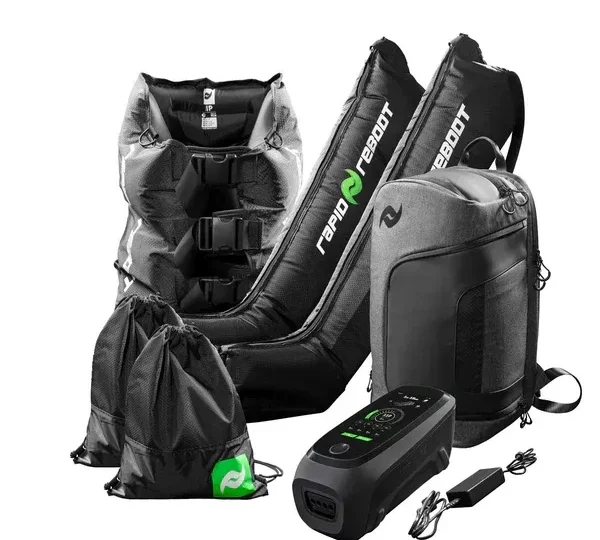
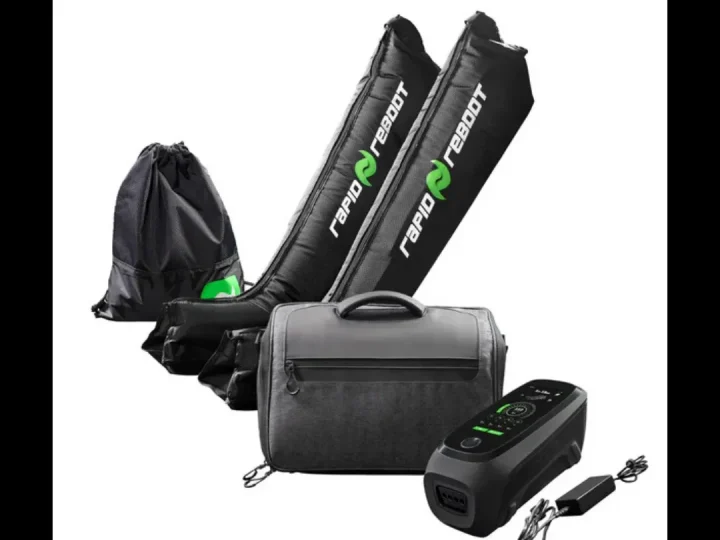
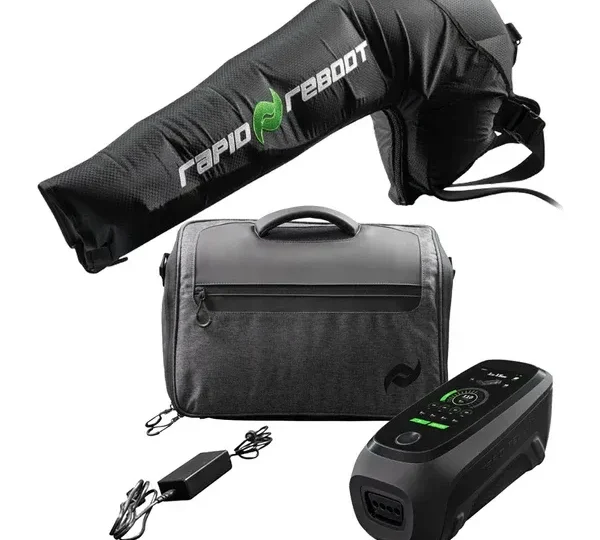
Commercial-grade compression therapy uses pneumatic devices — typically boots, sleeves, or hip and arm attachments — that inflate in sequenced patterns to apply external pressure. The most common commercial configuration is leg-only compression boots used in a recovery lounge setting.
How It Works
Sequential, distal-to-proximal inflation
Chambers inflate from ankle upward in a graduated pattern that mechanically supports venous and lymphatic return. The member reclines during the session, and after a short orientation most members operate the system themselves with an attendant available.
What it costs to add, and where it fits.
Capital Cost & Space Planning
Equipment & Capital Cost
- Leg compression boots
- $1,200–$3,000 / unit
- Hip attachments
- $400–$800 / unit
- Arm sleeves
- $400–$700 / unit
- Typical facility count
- 2–6 boot units
Space, Power & Installation
- 60–100 sq ft per station (lounge chair, boot pair, member space)
- Standard outlet per unit — no special electrical work
- No special ventilation or installation requirements
- Scales incrementally — add stations as demand grows
Where compression fits in your lineup.
Stack Positioning
Compression is a near-essential foundation modality for any recovery offering. Low capital cost, low maintenance burden, broad member appeal, and high utilization make it one of the easier wins in a wellness stack. It pairs naturally with other modalities and is commonly positioned as a post-cryotherapy or post-workout decompression step.
Where facilities lose money on this modality.
Common Operator Mistakes
- Treating compression as a free perk and never monetizing it — consider tier-based access or add-on pricing
- Skipping cleaning and sanitation protocols — boots become a hygiene complaint vector quickly
- Not enough units — wait times during peak hours destroy the experience
- Buying consumer-grade boots intended for individual home use (commercial duty cycle differs significantly)
- Failing to plan station layout for member privacy and comfort
Who actually uses this, and why it matters.
Member Adoption Patterns
Highest adoption rate
Of any recovery modality in most facilities — both athletic and general-wellness members engage.
The gateway modality
Particularly strong with members intimidated by more intense modalities like cryo or HBOT.
Converts to broader usage
Often the first recovery experience that leads members into wider wellness adoption.


What to check before you buy.
Vendor Selection Principles
- Commercial-grade duty cycle — consumer boots fail in 6–12 months under daily commercial use
- Disposable liner availability for hygiene
- Replacement sleeve cost and availability
- Warranty coverage for control units
What operators usually ask.
Common Questions
Should compression be charged per session or included in membership?
Most operators include it in premium membership tiers while offering single-session pricing for non-members and lower-tier members — this tends to drive premium-tier conversion.
How many units does a facility need?
We answer this one live so it fits your facility. Ask us directly and we’ll walk you through it.
How is sanitation handled between users?
We answer this one live so it fits your facility. Ask us directly and we’ll walk you through it.