
Commercial Contrast Therapy Equipment Guide
Commercial recovery systems must perform like profit centers to justify their footprint in a fitness facility. Success requires a data-driven approach to equipment selection and operational execution.
Model your commercial contrast therapy equipment payback with the ROI Calculator.
Commercial contrast therapy equipment pairs professional hot and cold recovery systems for repeatable gym programming. The right setup balances footprint, member throughput, utility requirements, staffing, and revenue potential. Gym owners should select equipment only after modeling demand, pricing, operating costs, and payback.
Choosing the right gear is only the first step toward building a profitable recovery zone.
You must also align your equipment choices with your specific operational needs and member base. Commercial contrast therapy equipment starts with the business model, and here is how you build it.
Commercial contrast therapy equipment starts with the business model
Buying wellness tools for a gym is about more than picking a brand. Many owners buy gear first and plan the business later. This often leads to empty rooms and lost cash. To succeed, you must start with a clear plan for your commercial contrast therapy equipment. You need to know how it will make money before you sign a lease. A good plan keeps your gym in the black.
Focusing on revenue per square foot
In a small gym, every inch of floor space must earn its keep. You should look at how much money a recovery room can bring in each month. This means looking at your rent and staff costs first. Use our ROI Calculator to see how your space can turn into a profit center. Planning your layout around these numbers helps you pick the right size and type of gear for your needs.
Contrast therapy is a well-known tool in sports medicine and athletic training for recovery. It uses hot and cold steps to help people feel better after a hard workout. This can help with blood flow and post-workout readiness. When you show members the value of these steps, they are more likely to pay for a recovery plan. This builds a steady stream of cash for your gym.
Planning for high throughput
Your business model must track how many people can use the gear each hour. If a session takes too long, you can’t serve enough members to pay for the machines. High-end contrast therapy units are built to handle many users back-to-back. They have fast heating and cooling parts that stay at the right heat all day. This ensures no one has to wait for the water to get cold.
You should also think about cleaning and water care. If you have to shut down for hours to clean a tub, you lose money. Choose gear that is easy to wipe down and has strong water filters. This keeps your room open for more sessions. A good plan for cleaning ensures your members have a great time each time they visit. It also keeps your staff happy and your gear in top shape.
Building the right plans
Equipment alone won’t keep members coming back. You need a plan that shows them how to use it. This might include guided steps or special recovery classes. Good plans help you set the right price for your services. They also help your staff explain the value to new members. When members see results, they stay longer and tell their friends about your gym.
- Set a price that covers your costs and makes a profit.
- Train your staff to guide members through the hot and cold steps.
- Track how often members use the gear to find your best hours.
- Update your classes based on what your members like most.
A vendor-neutral approach lets you pick the best tools for your exact goals. You don’t have to stick to one brand if it doesn’t fit your needs. By starting with the business case, you ensure your new recovery area is a win for both you and your members. This keeps your business strong for years to come.
Compare the main contrast therapy equipment types
ROI In Wellness recommends comparing equipment types against the operating model, not selecting by appearance alone.
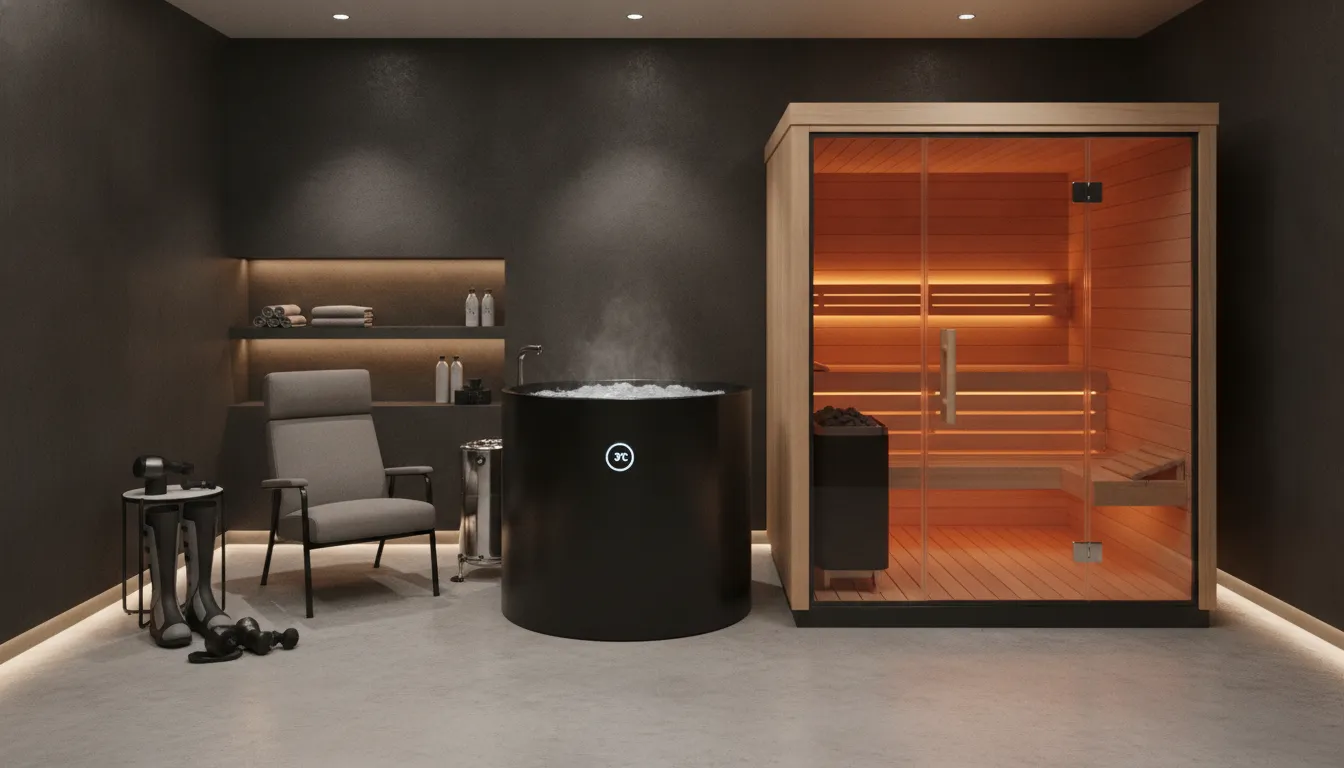
Choosing the right commercial contrast therapy equipment starts with your business goals. Most gym owners focus on floor space and ease of use. You must also think about how many members can use the gear per hour. A good setup balances the first cost of the gear with the revenue each session brings in. Your choice will impact your gym’s daily flow and your long-term profits.
Modular recovery stations
A modular setup uses its own units for hot and cold sessions. Often, this means a sauna paired with a cold plunge tank. This plan works well for gyms with extra floor space to spare. It lets you buy pieces one at a time as your investment plan grows. You can also move units if you change your floor plan later. This choice is a big plus for a growing gym.
These setups offer a high level of choice for your members. They can move from the heat of a sauna to the chill of a cold plunge at their own pace. Research shows that moving between hot and cold may help sore muscles after a hard workout. It can also help with swelling and blood flow. But split units need more plumbing and floor space than other choices. You will need to plan for two sets of power and water lines.
One-unit hot and cold systems
One-unit contrast therapy units combine heat and cold in one booth. These systems are great for small studios with limited room. They often use heat and cold air or water in a single space. This makes the setup process much faster for your team. You only need one set of utility hookups for the whole system. This saves time and money during the build-out phase of your gym.
These booths offer a guided visit for each member. The system can lead the user through a set plan with timers and lights. This helps keep the session length stable for every person. It makes it easier for your staff to manage the daily schedule. While the first cost can be higher, the small footprint often leads to a faster payback. You can fit these units in corners or small rooms where a full sauna would not fit.
| Setup Type | Footprint | Member Flow | Setup Effort | Member Feel |
|---|---|---|---|---|
| Modular Pair | Large | High | Complex | Self-guided |
| One-Unit Booth | Small | Medium | Simple | Guided |
| Multi-Station | Custom | Maximum | Very High | Premium |
Staffing and scaling your wellness area
To make your wellness area pay for itself, you need a clear plan for your team. Good training helps your staff teach members how to use the gear safely. It also ensures the gear lasts longer through regular care and cleaning. Staff should know how to explain the gains of each session. As your gym grows, you can scale by adding more units or larger systems. This helps you keep up with member demand and grow your revenue.
Member retention often depends on how easy the tools are to use. Systems with auto-cleaning, like UV and ozone filters, save your staff a lot of time. They also keep the water fresh and clear for each user. This builds trust with your members. Studies in sports performance show that contrast baths help recovery and better limb function. By choosing the right gear now, you set your gym up for long-term growth and steady profit.
How much footprint and throughput does your gym need?
ROI In Wellness treats throughput as a design input because the best unit still underperforms when queues or cleaning delays limit utilization.
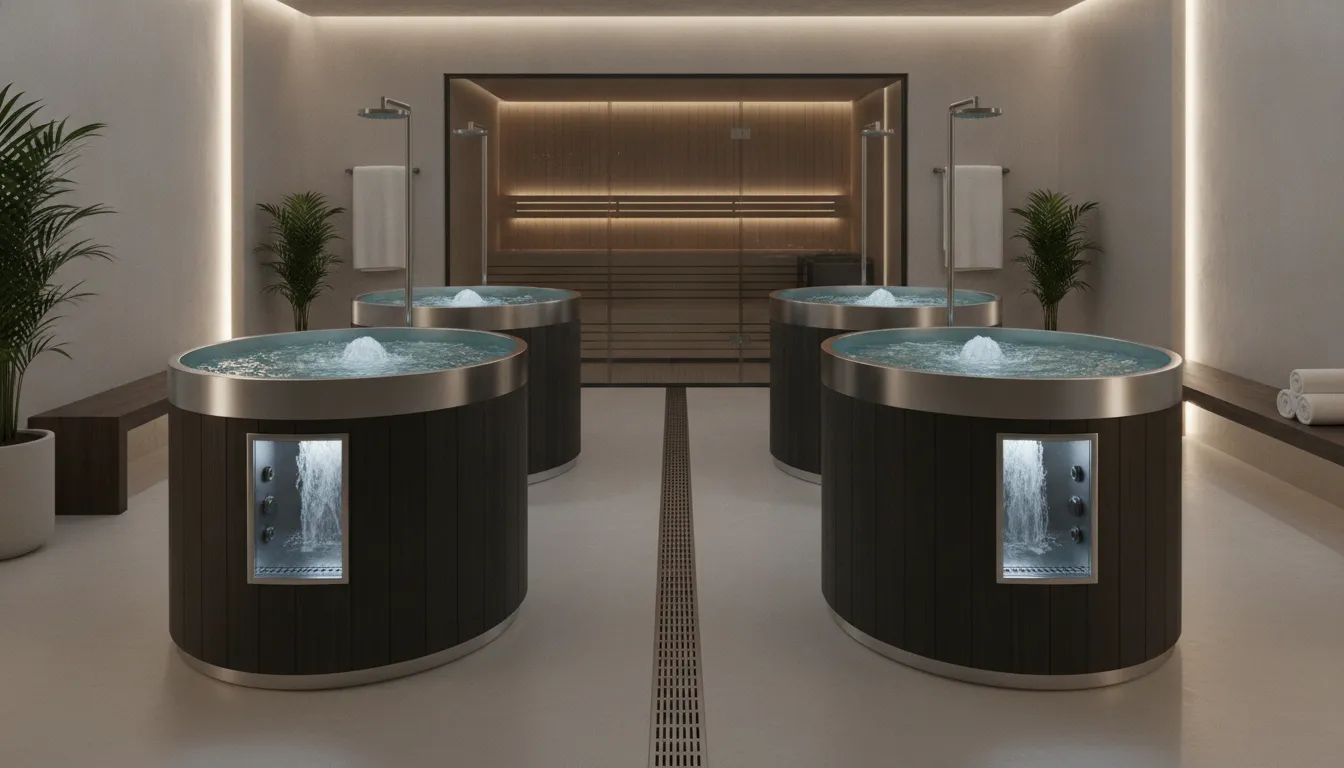
Adding recovery tools is a smart move for gym owners who want to grow. But you must plan the space well to avoid common mistakes. A bad layout can hurt your profit and make the member session feel rushed. You need to look at both the real size of the tools and how many people use them during busy hours.
Calculate your space needs
When you buy commercial contrast therapy equipment, think about the total footprint of each unit. A standard setup needs space for a large sauna and a cold plunge tub. You also need a fixed wet zone around these units to keep your floors safe.
This zone keeps water from spreading to the rest of the gym and stops slips. Most setups need about 100 to 200 square feet of floor space to work well. Think about the height of your ceilings as well before you buy any tall units.
Combined systems can save a lot of room because they put tools into one unit. These contrast therapy units put the heat and cold in one small booth that fits into tight corners. They are great for gyms with small floor space that still want to offer top recovery.
You must also check your power lines and floor strength before you start to build. Heavy tools need strong support and the right power and water hookups to run safely. If you use separate units, you must plan for the plumbing between them.
Plan for peak demand
Research in sports medicine and training centers shows that quick recovery is key to handling a high volume of athletes. You should plan for your busiest times to make sure all members get a chance to recover. If you have 500 members, you must know how many will use the recovery room at 6 PM.
A single cold plunge can mostly handle 4 to 6 people per hour if they follow a set plan. If your demand is higher, you might need to buy more units to keep the line moving. You want to avoid long wait times that lead to poor reviews and fewer repeat visits. Use your data to find the best mix of tools for your peak-hour demand.
Design for traffic flow
Traffic flow is about how people move through the space during their recovery session. You need clear paths between the sauna and the plunge to help members stay on time. These paths should be slip-proof for safety and include drains for extra water.
Privacy is also a big factor in how members feel about your new recovery room. Members want to feel safe while they change or rest between heat and cold rounds. You can use glass walls or solid screens to create private zones that look expert.
Think about the member journey from the moment they walk in to when they leave. They need a place for their towels and gear while they are in the plunge. Good lighting and air flow also help create a high-end vibe in your gym.
A well-set room makes the service feel top-tier and keeps members coming back. This helps you keep a high use rate across your whole equipment stack. High rates lead to a faster payback and more revenue for your business.
What creates a repeatable member experience?
A great member visit depends on how you set up your commercial contrast therapy equipment. If the flow is clunky or the space is tight, people may not come back. You must plan for how members move from the hot zone to the cold zone.
Good layout helps reduce wait times and keeps the session moving. This makes the service feel like a top-tier choice and worth the price. When members feel at ease, they are more likely to book again.
A smooth process from the start is what brings people back to your gym. Your booking system also plays a big part in the total visit. If it is hard to find a slot, members will get upset before they even arrive.
Your team should make sure the change-over times are short and easy. This allows you to fit more sessions into each hour. Clear signs can help members find their way without needing to ask for help. These small details add up to a high-quality feel that keeps your business growing.
Session flow and equipment layout
The distance between your sauna and cold plunge matters for your business. A smooth path allows for quick moves without making a mess on the floor. High-quality contrast therapy units often combine these two steps into one small space.
This saves room and keeps the rest area clean. It also lets you serve more people in less time. High throughput is key to hitting your profit goals and keeping members happy. A smart layout also makes it easier for your staff to manage the room.
Steady water quality and heat
Members expect the water to be cold and clean every single time. Commercial-grade chillers are built to keep the water at 3 degrees even when many people use them in a row. Pro tools also use ozone and UV filters to keep the water safe.
In sports medicine, contrast baths are known for helping with recovery and limb function. If the heat changes too much, the wellness result may drop. Steady quality builds trust with your members. They will know exactly what to expect when they walk through your doors for a session.
Staff training and onboarding cues
Equipment is only half the battle for a gym owner. Your staff needs to know how to guide members through their first session. They should give clear cues on how long to stay in the heat and when to dunk. This helps members feel safe and gets them the best results.
Proper training also helps your team manage booking and pricing. When staff can explain the benefits of circulation and recovery, members see more value. This leads to more bookings and a better bottom line for your fitness studio. Your team must be the experts that members rely on for a safe and helpful visit.
How should gym owners model revenue and payback?
Buying commercial contrast therapy equipment is a big step for any gym owner. To see real gains, you must look at the tools as a profit center rather than just a cost. A solid plan starts with a look at how you will charge and how often members will use the space. You need to model your costs against the revenue you expect to see each month.
Choose the right pricing model
You have two main ways to earn from wellness tools. First, you can offer them as a paid add-on. Members pay a small fee for each use or buy a monthly pass. This keeps the space open and ensures only those who want it use it. This model works well for gyms that want to track how much money each tool makes. It also gives members a low-cost way to try the new tools.
Second, you can build the cost into a top-tier membership. This can help with keeping members and make your gym stand out. High-tier plans can include a set number of recovery sessions each month. This adds value to your most expensive plans and can push more members to upgrade. Staff training is a key part of this plan. Your team must know how to set prices and create recovery plans that get results. You can use the ROI calculator to find the best price points for your gym.
Track space and use rates
To find your revenue per square foot, you must look at how much floor space the tools take up. Most gym setups require you to think about the footprint and install needs before you buy. High-use tools allow more members to cycle through each hour. If you can serve more people in less time, your revenue per square foot will climb. This is why choosing the right setup for your floor plan is vital.
Contrast therapy is a top choice because it has strong research support. Studies show it can help with swelling and muscle soreness after hard work. When members feel the change in their recovery, they are more likely to book often. This steady use is what makes the tools pay for themselves over time. You should aim for a high use rate to keep your profit margins strong.
Model the payback period
The payback period is the time it takes for the tools to pay for their own cost. When you model this, you must include the price of the tools and the cost of the install. You also need to plan for daily upkeep and labor. Commercial units are built for high use, but they still need regular cleaning and water care. High-quality filters and UV tools can help keep these costs low and reduce the time your staff spends on upkeep.
Most gym owners aim for a payback period of 12 to 18 months. To hit this goal, you should focus on business numbers like revenue per session and total monthly use. If you focus on the business side from day one, you can build a recovery space that adds to your bottom line. This approach turns a simple equipment buy into a long-term profit engine. Use our model to see how fast your new tools will start to earn profit for your gym.
What should you ask an equipment partner?
Choosing the right partner is just as key as picking the gear itself. You need more than just a box on your floor. A good partner helps you turn your commercial contrast therapy equipment into a real profit center. Many vendors just ship the units and leave. This “drop and go” style leaves you on your own to figure out the rest. You must ask hard questions before you sign a deal. Make sure they will support your long-term goals and business performance.
Check for fit and flow
Start with the basics of how the gear will fit in your space. Ask how much power and water each unit needs to run all day. You should also ask about the flow of people through your recovery room. Good partners help you with floor plans so your members have a great time and feel safe. They look at things like floor drains, air flow, and non-slip mats. This plan for the footprint and install keeps your gym safe and dry. It also helps you fit more gear into a small space as you scale up your business.
Think about how your members will move between the hot and cold units. A bad layout can lead to wet floors and slow session times. Ask your partner if they have seen similar setups in other gyms. They should be able to show you how to set up the room for best use. This planning stage is the time to find any issues with your building. You do not want to find out you need a new electrical panel after the gear arrives. A true partner will walk you through these steps before you buy.
Plan for service and support
Commercial gear gets a lot of use every day. Ask what happens when a pump breaks or a heater fails. You need to know how fast they can send a tech to fix the issue. If your cold plunge is down for a week, you lose money and trust from your members. Ask for a full list of what their service plan covers and what the costs are. Some partners give you tools for water quality checks and daily upkeep to help you avoid big repairs. This help is vital for keeping your gear in top shape for years.
Upkeep is not just about fixing things when they break. It is about stopping problems before they start. Ask your partner for a daily and weekly cleaning guide. They should tell you which filters to buy and how often to change them. Clear steps for your staff will save you time and stress. If they do not have these guides, they may not be the right fit for a busy gym. You want a partner who knows the demands of a high-traffic recovery space.
Ask about business tools
A great partner cares about your ROI as much as you do. Ask if they give you staff training on how to sell and use the gear. You need to know how to price your sessions to get your money back fast. While recovery gear helps with swelling and limb function, it only makes money if people use it. If a vendor does not offer a roadmap for pricing and plans, they are just a shop. A partner should help you set up a plan that works for your own gym members.
Ask how you can check the results of your new service. They should give you data on use and member loyalty. This info helps you see if the gear is paying for itself. A good partner will also talk to you about growth. As your gym grows, you may need more contrast therapy units or other types of gear. They should have a plan to help you grow without starting over from scratch. Make sure they are ready to help you every step of the way as you build your recovery setup.
Frequently Asked Questions
What is the best commercial contrast therapy equipment for gyms?
The best equipment for a gym depends on your specific goals and floor space. Most facilities find success with setups that pair infrared saunas with professional cold plunges. These systems maximize space use and member throughput. Choosing vendor-neutral options ensures you get tools that fit your business model rather than what a single brand wants to sell. Focus on systems built for heavy volume to ensure long-term performance and strength.
How much does commercial contrast therapy equipment cost?
Pricing for professional setups varies based on the design and scale of your facility. Most gym owners work with equipment investments between $50,000 and $300,000 for these systems. Beyond the initial purchase price, you must consider utility needs and upkeep costs. Factoring in the potential ROI and payback period is vital for any business. High-quality systems often pay for themselves through improved member retention and new revenue streams.
What are the essential components of a commercial contrast therapy setup?
A professional setup needs a heat source, a cooling method, and a strong water management system. For cold plunges, look for 20-micron filtration, UV light, and ozone to keep water clean during high-volume use. According to FitnessDrum, facilities typically choose between traditional or infrared saunas paired with cold tubs or showers. Stable temperature control and efficient chillers are also vital for keeping wellness outcomes consistent throughout the day.
What should I look for in commercial cold plunge and sauna equipment?
Prioritize strength and easy upkeep when selecting tools for a gym environment. Look for curved, seamless designs that are easier for staff to clean between sessions. Reliable temperature control is key; professional cold plunges should always cool to three degrees Celsius even with heavy use. Ensure the equipment comes with a strong warranty, such as the two-year warranty offered by some commercial brands. This protects your investment and ensures member experience remains high.
Ready to model your equipment payback?
Choosing the wrong gear for your gym can lead to a long time of slow growth and lost profit for your wellness business this year. If you wait to act, you will miss out on new members who want top recovery tools and may choose a rival gym instead. You can avoid these risks by using a clear plan to build a recovery space that works for your floor plan and goals. Starting today means you can see your first gains much sooner than those who stay on the sidelines while the rest of the market grows. You can view our full range of commercial contrast therapy equipment to find the right gear for your needs. This way of working keeps your costs low and your profit high from the very first day you open your doors.
Ready to start? Model payback with the ROI Calculator to get a free consultation on your next wellness buy.