Specialty Modality
Hyperbaric Oxygen Therapy (HBOT)
A premium specialty offering, not a starter modality — long sessions, low throughput, and the highest compliance risk of any modality in the recovery space. Get the category and the marketing language right before anything else.
- Mild HBOT equipment range
- $10K–$60K+
- Footprint + prep area
- 100–200 sq ft
- Typical session price
- $50–$150
- Not self-serve
- Operator required
What This Modality Is
Breathing oxygen under elevated pressure
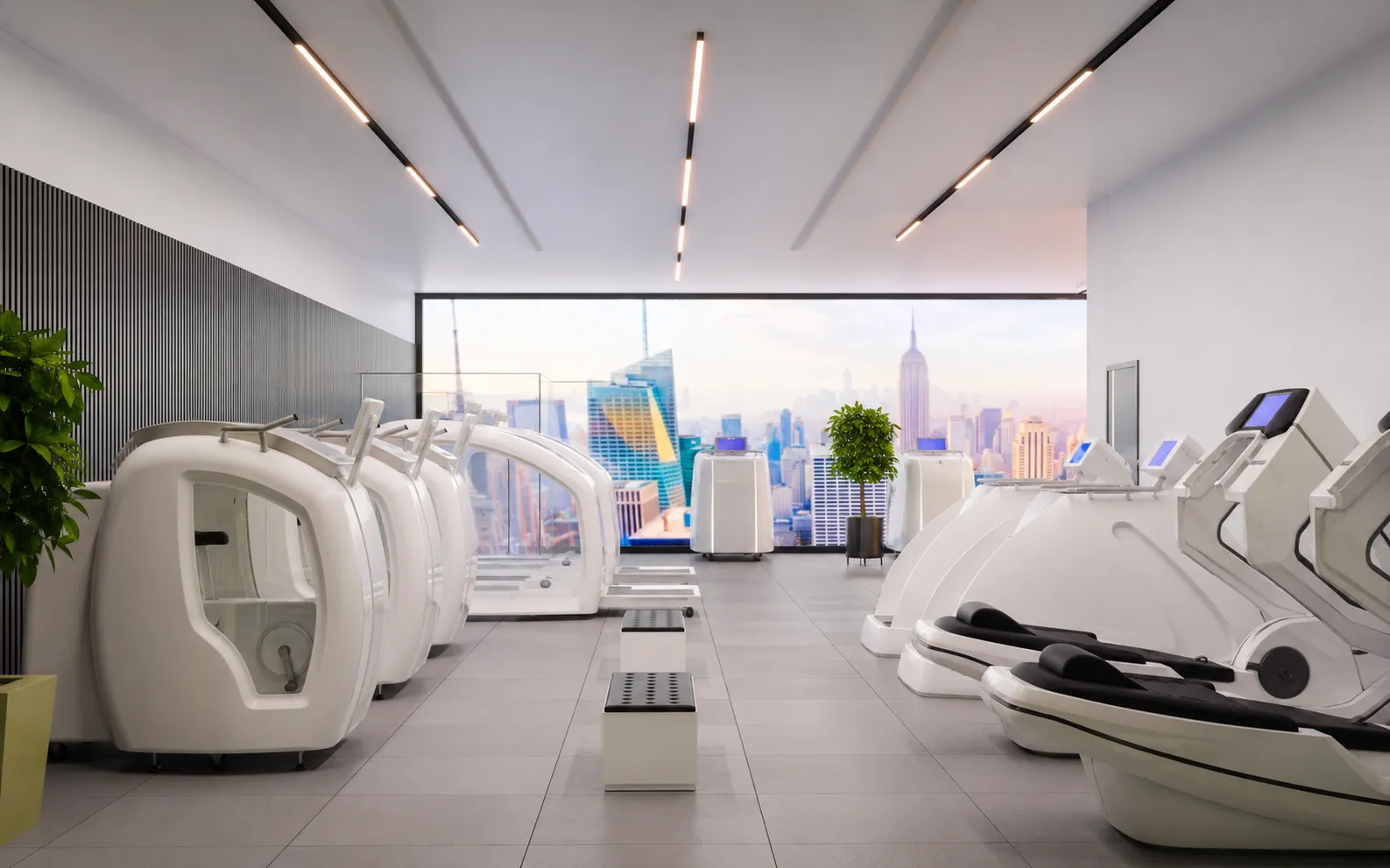
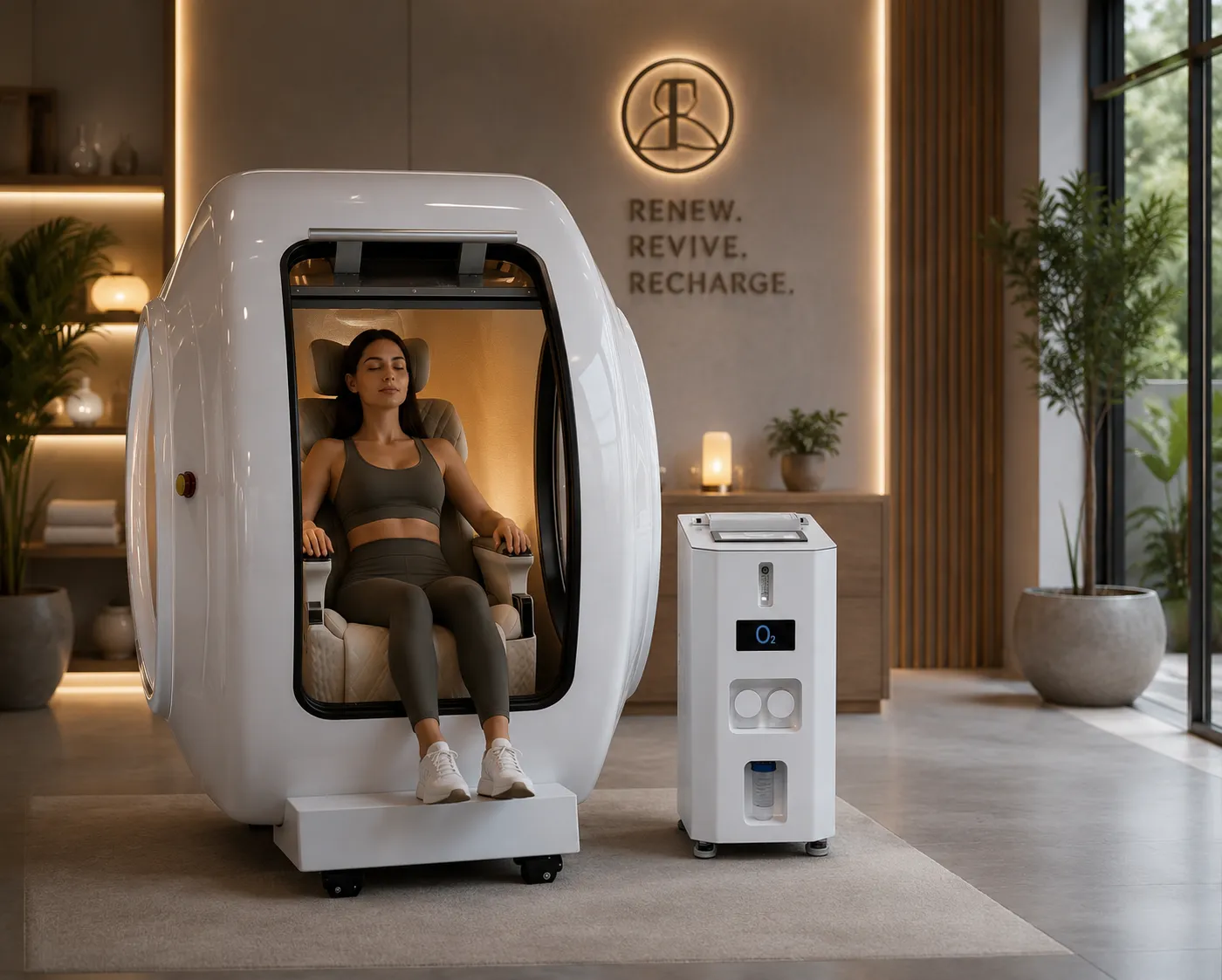
HBOT is the practice of breathing oxygen inside an enclosed chamber at elevated atmospheric pressure. There are two distinct categories, regulated and marketed very differently — understanding which one you’re offering is the single most important decision on this page.
How It Works
Pressure changes what oxygen can dissolve in blood
Increased atmospheric pressure raises the partial pressure of oxygen, allowing more to dissolve in blood plasma. The benefits at high pressure with pure oxygen are well-established for FDA-approved conditions. The benefits of mild HBOT at 1.3 ATA are still an active research area — operators need to understand that distinction to stay within compliant marketing language.
Hard chambers vs. mild HBOT.
The Category That Determines Everything Else
These are not two tiers of the same product — they’re two different regulatory categories. Confusing them is the fastest way into compliance trouble.
- Not for boutique gyms
Hard Chambers (Medical-Grade)
- 1.5–3.0 ATA, near-100% oxygen
- FDA-approved for specific medical conditions
- Belongs in medical settings with medical oversight
- Capital cost: $80,000–$300,000+
- Realistic option for gyms
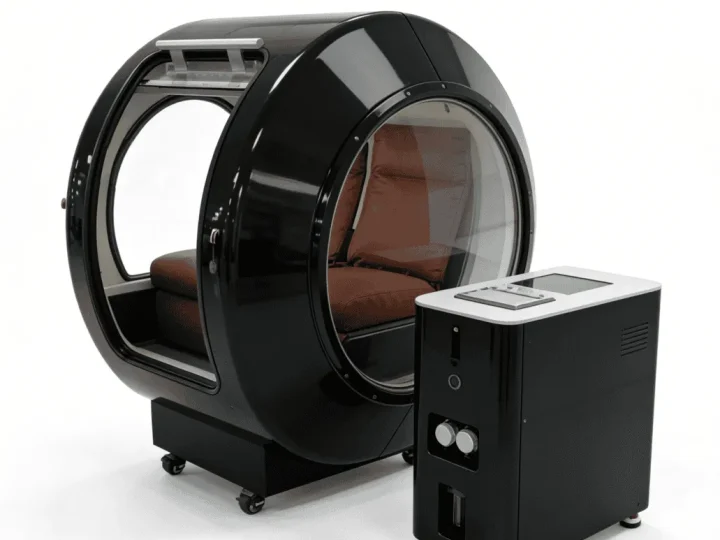
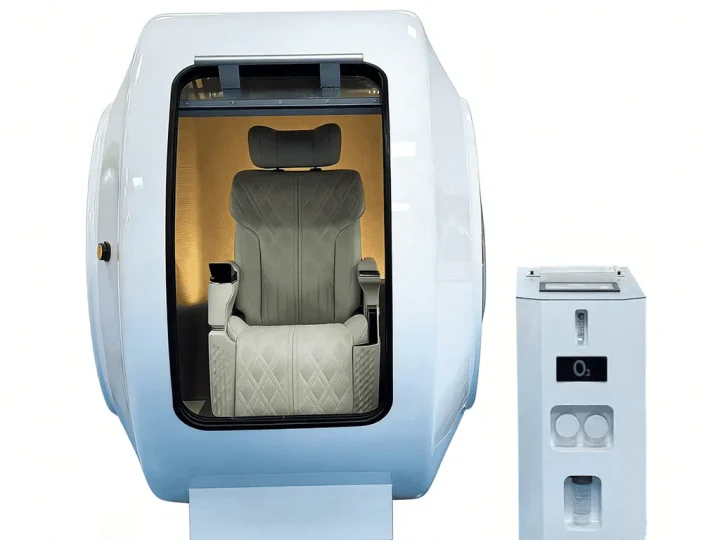
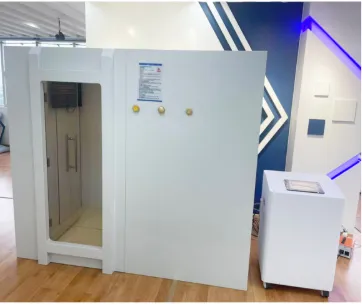
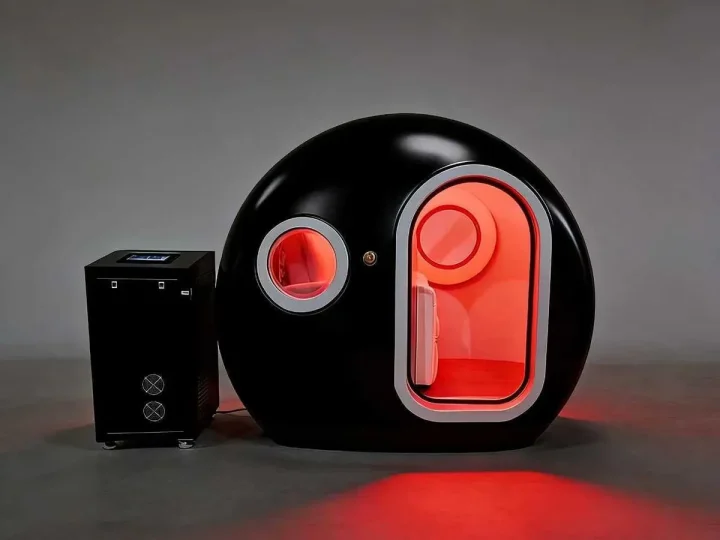
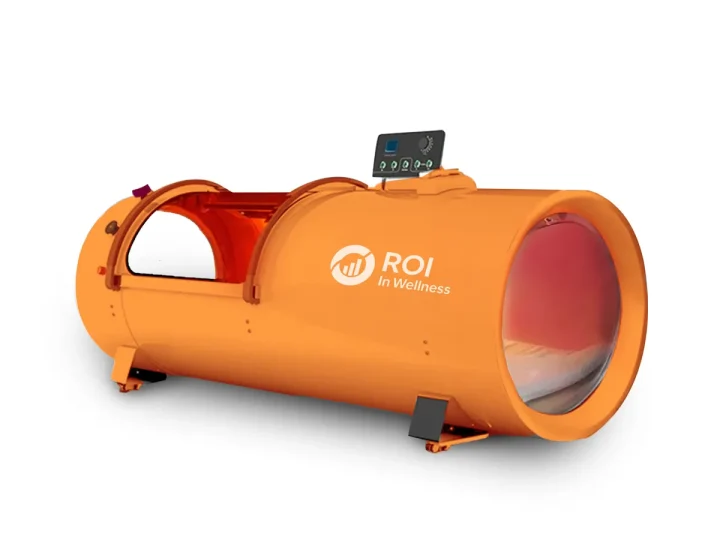
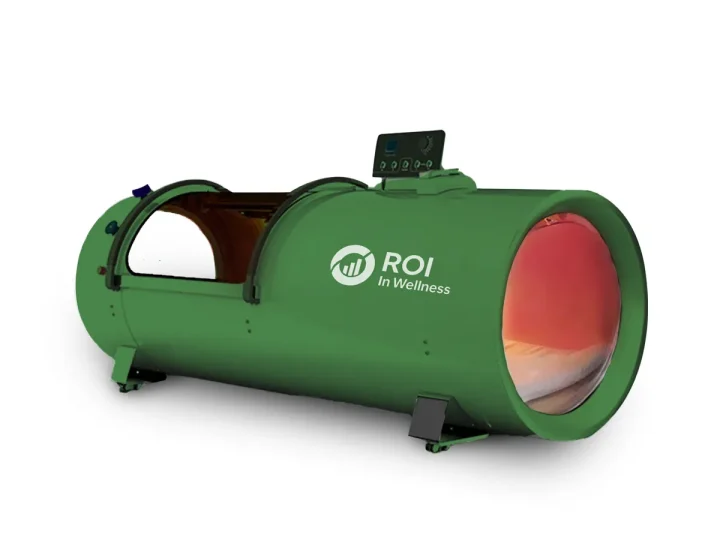
Mild HBOT (mHBOT)
- ~1.3 ATA, ambient air or supplemental oxygen
- Not FDA-approved for treatment claims — sold for general wellness use
- What boutique studios and mid-market gyms almost exclusively offer
- Capital cost: $10,000–$60,000+ depending on tier
What it costs to add, and where it fits.
Capital Cost & Space Planning
Equipment & Capital Cost
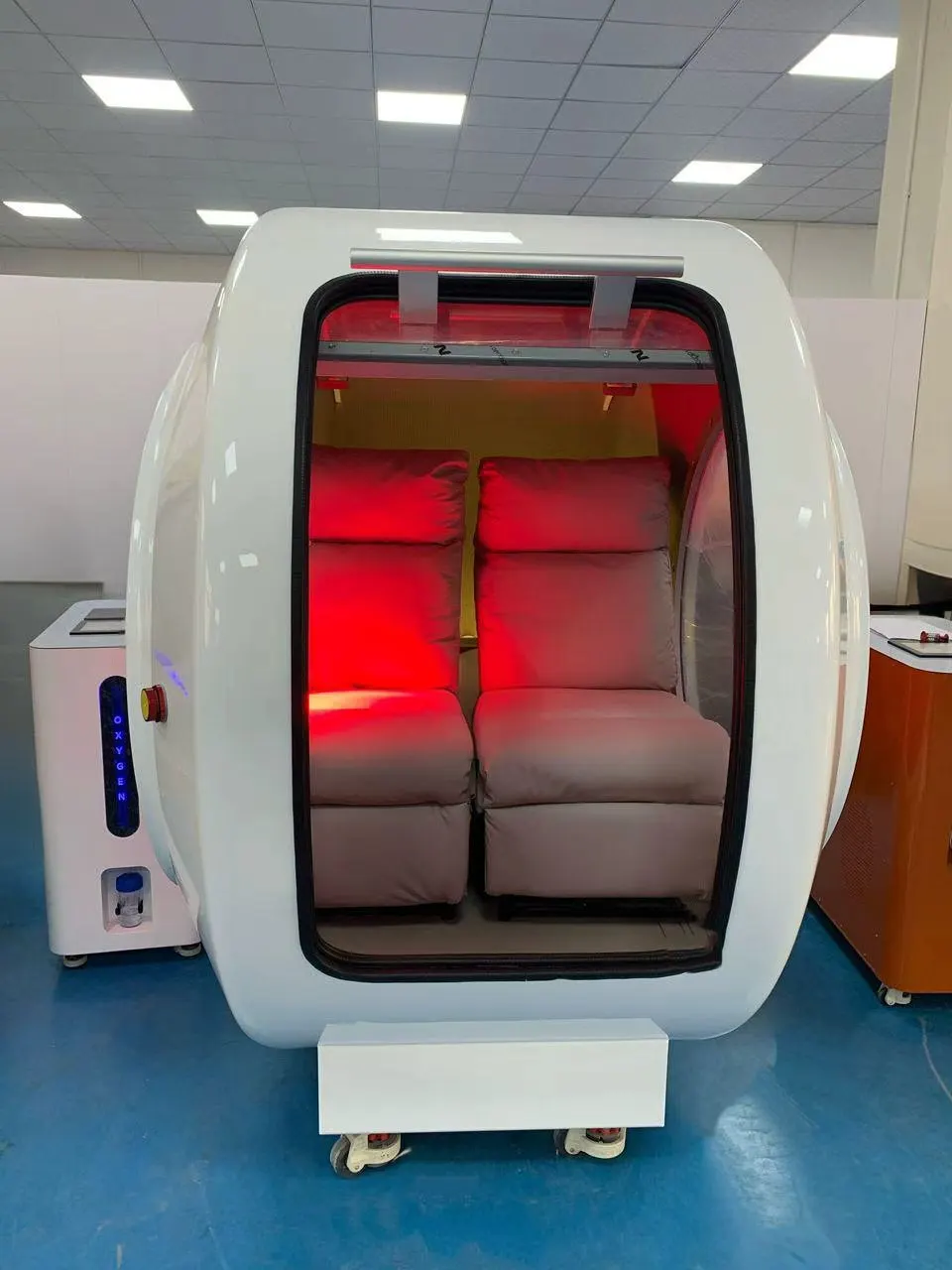
- Entry-level, single occupancy
- $10,000–$20,000
- Mid-tier, comfort & safety features
- $20,000–$30,000
- Premium / multi-place
- $30,000–$60,000+
- Hard chambers (context only)
- $80,000–$300,000+
Space, Power & Installation
- Footprint: 100–200 sq ft including operator station and prep area
- Ceiling height: 8 ft minimum
- Power: dedicated electrical, often 220V
- Ventilation is critical — oxygen safety and off-gassing considerations
- Confirm your general liability carrier covers HBOT before purchase
- Local fire/safety codes may apply — verify before installation
Where HBOT fits in your lineup.
Stack Positioning
HBOT is a specialty differentiator, not a starter modality. Long sessions, lower throughput, and high per-session pricing position it as a premium offering for facilities serving athletes, biohackers, or longevity-focused members. It’s not recommended as a facility’s first or second wellness investment unless there’s clear demonstrated demand in your local market.
Where facilities lose money on this modality.
Common Operator Mistakes
- Single session pricing: $50–$150 depending on market and chamber type
- Membership pricing: $200–$500 per month for limited monthly sessions
- Session length: 60–90 minutes — significantly longer than other recovery modalities
- Throughput: low — long session length limits sessions per chamber per day to typically 4–8
- Operating cost per session: oxygen consumption (if supplemental), electricity, staff time
- Staffing: trained operator must be present. Not a self-serve modality.
Who actually uses this, and why it matters.
Member Adoption Patterns
Slower adoption curve
The 60–90 minute session commitment and higher price point mean this is an education-heavy sales cycle, not an impulse add-on.
Three primary buyer segments
Athletes (recovery-focused), biohackers (general wellness), and longevity-focused members.
Conversion needs repeat exposure
Membership conversion typically requires a multi-session experience before members feel a subjective benefit.


What to check before you buy.
Vendor Selection Principles
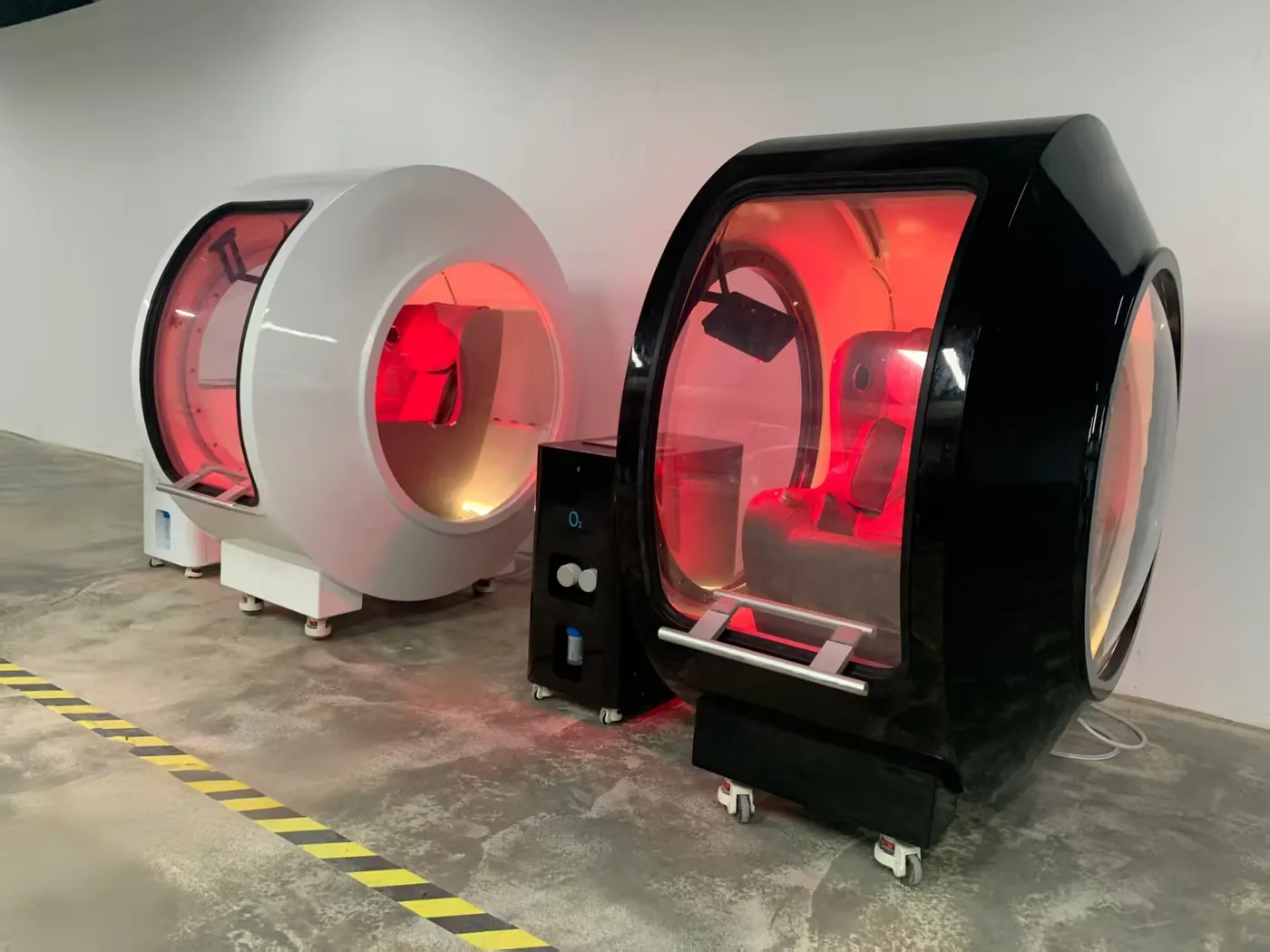
- Manufacturer reputation is paramount — chamber failures are catastrophic, safety-wise and reputationally
- Multi-year warranty on critical components is reasonable to expect
- Confirm service availability in your region for safety inspections and repairs
- Request compliance documentation directly from the manufacturer
- Avoid vendors who provide aggressive medical-claims marketing materials
What operators usually ask.
Common Questions
Mild HBOT vs. hard HBOT — which is right for a gym?
Mild HBOT, realistically. Hard chambers belong in medical settings, require medical oversight, and carry regulatory burdens boutique gyms aren't equipped to manage.
What ATA is right for wellness use?
We answer this one live so it fits your facility. Ask us directly and we’ll walk you through it.
Can members operate the chamber themselves?
We answer this one live so it fits your facility. Ask us directly and we’ll walk you through it.
What’s the realistic payback period?
We answer this one live so it fits your facility. Ask us directly and we’ll walk you through it.