Modality Profile
Red Light Therapy
One of the most versatile foundation modalities available — low staff burden, broad member appeal, and often the best ROI per square foot in a wellness suite.
- Equipment, by configuration
- $1.5K–$60K+
- Per installation type
- 30–120 sq ft
- Typical session price
- $20–$50
- Staffing requirement
- Low
What This Modality Is
Photobiomodulation, at specific wavelengths
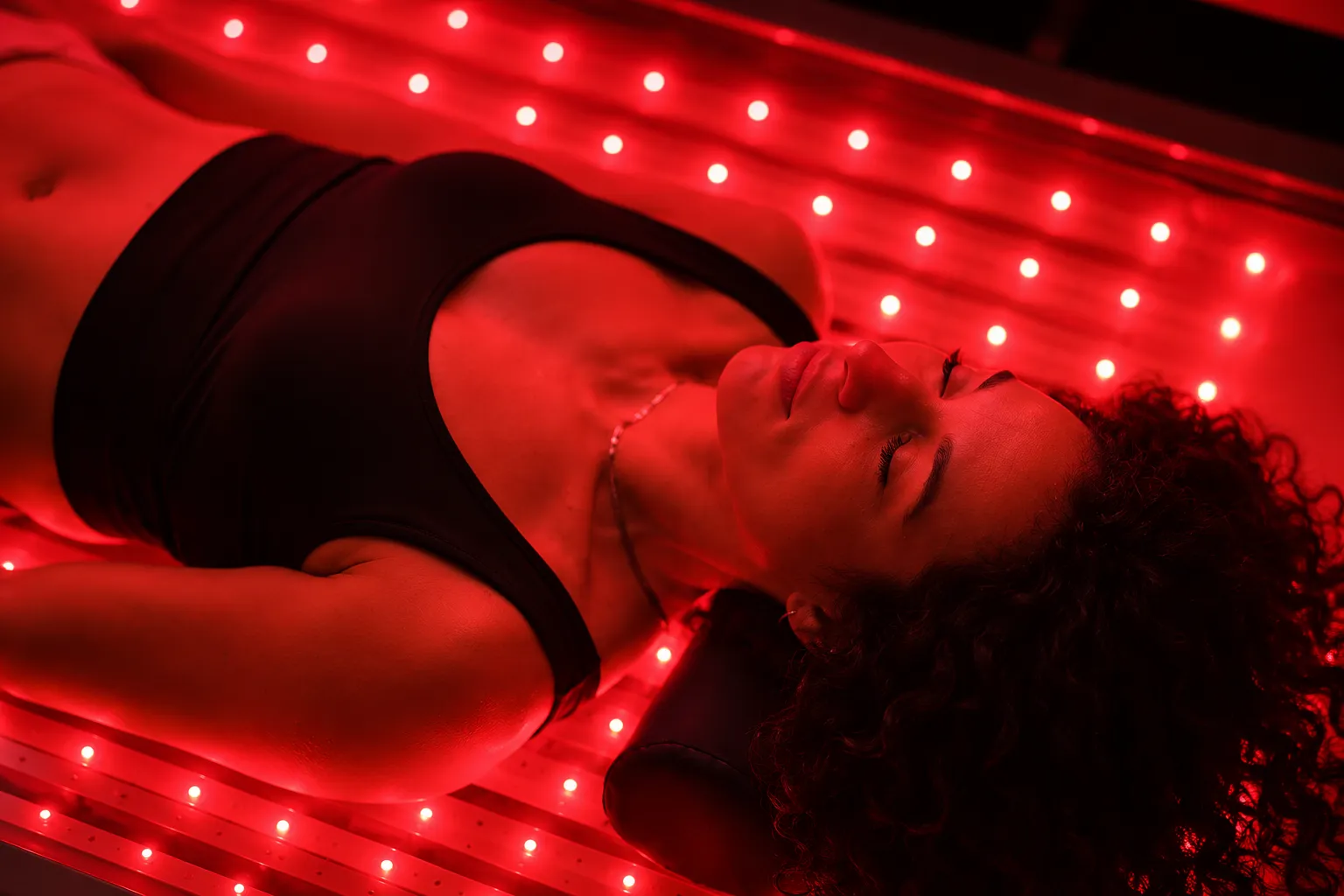
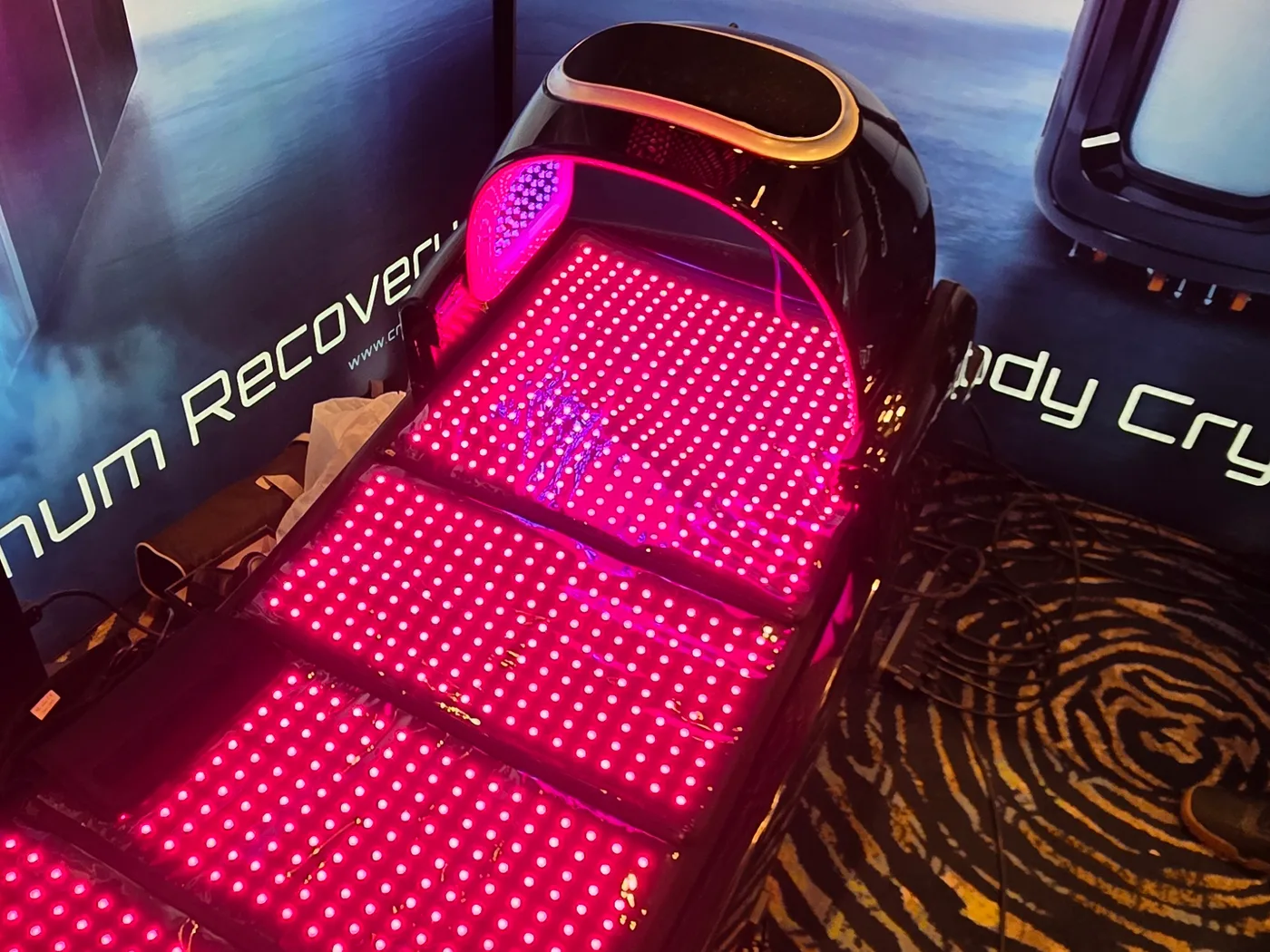
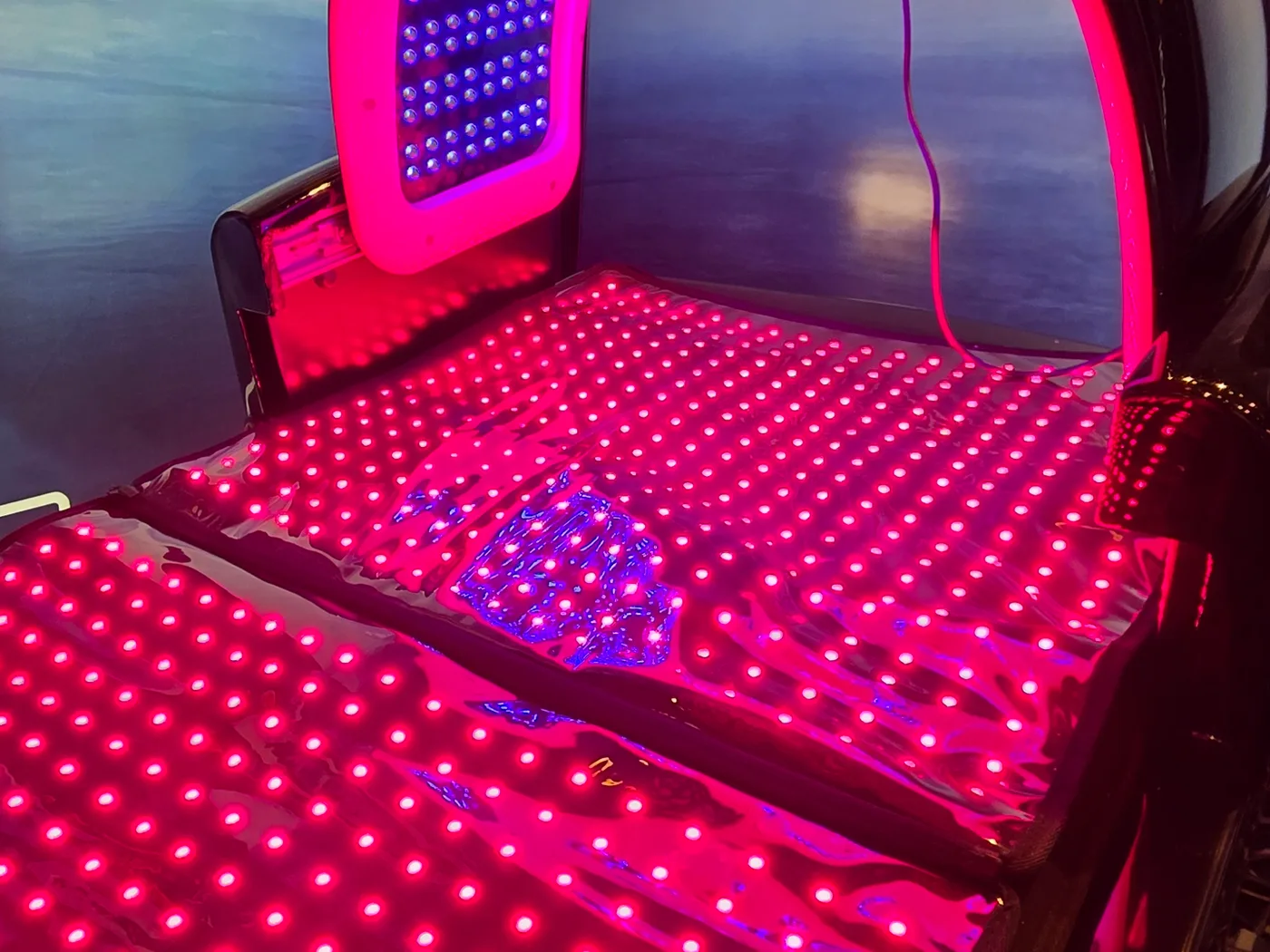
Red light therapy uses panels, multi-panel arrays, or full-body beds emitting wavelengths in roughly the 630–680nm (red, surface-level) and 800–880nm (near-infrared, deeper penetrating) range. Commercial installations range from a single panel station to a fully built-out treatment room.
How It Works
Consistent use over weeks, not single sessions
Light at these wavelengths is absorbed by chromophores in cells, particularly cytochrome c oxidase in mitochondria — a mechanism well-documented in research, though clinical benefit thresholds remain an active research area. Operationally, what matters is member expectations: results build with consistent use over weeks.
What it costs to add, and where it fits.
Capital Cost & Space Planning
Equipment & Capital Cost
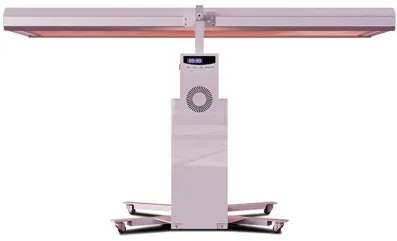
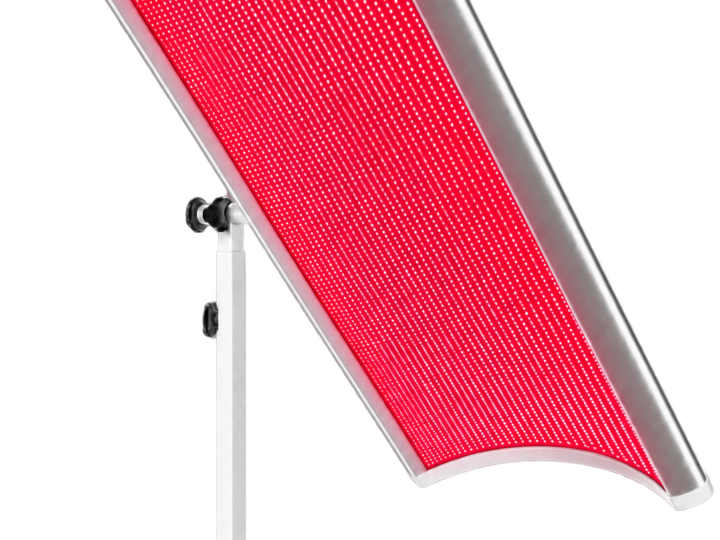
- Single commercial panel
- $1,500–$8,000
- Multi-panel treatment room array
- $8,000–$25,000
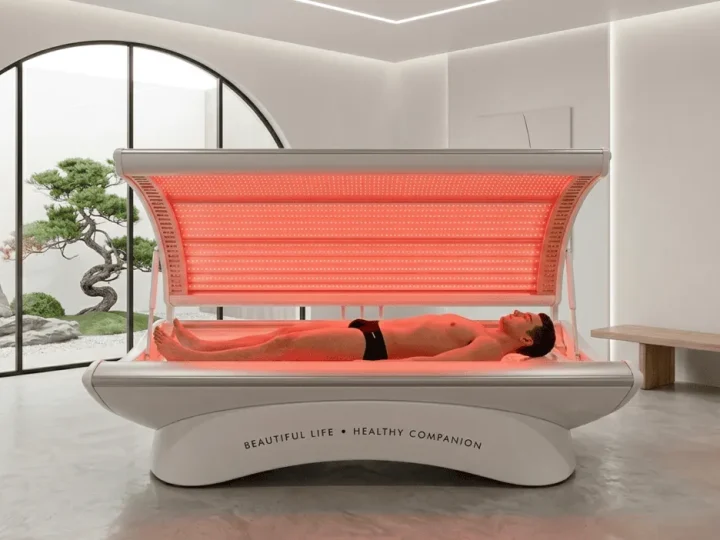
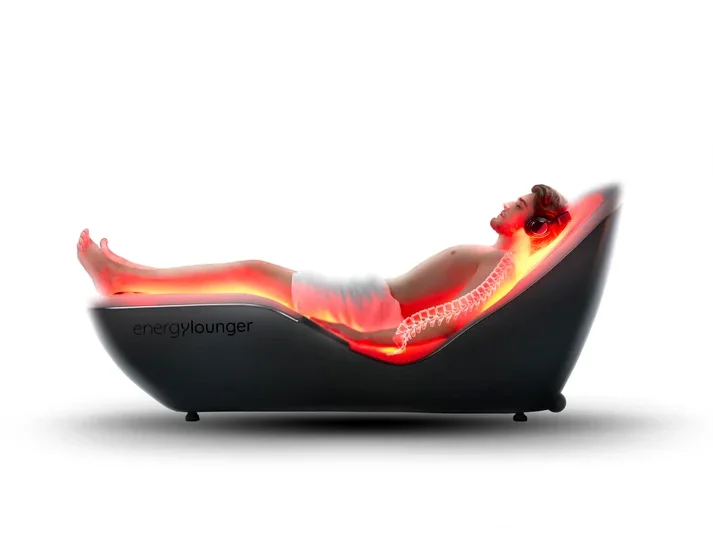
- Full-body bed (lay-down)
- $15,000–$50,000
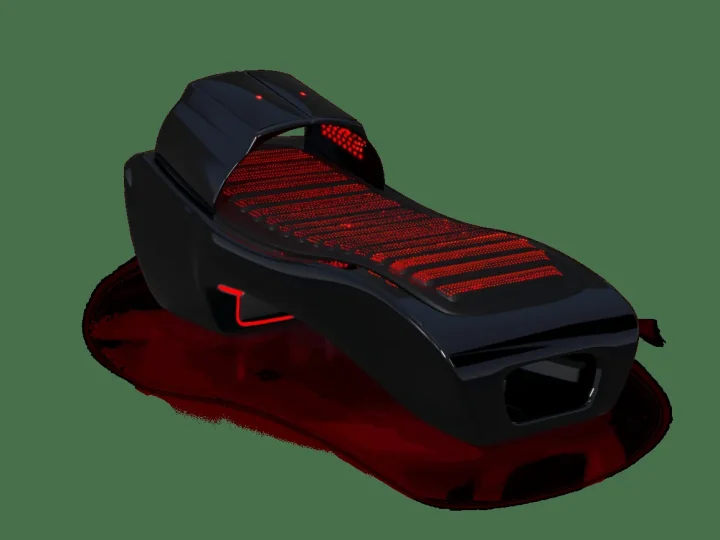
- Custom wall-integrated room
- $20,000–$60,000+
Space, Power & Installation
- Single panel station: 30–50 sq ft
- Multi-panel room or full-body bed: 80–120 sq ft
- Standard outlets for most panels; larger beds may need dedicated 220V
- Standard HVAC is adequate — minor heat output during operation
Where red light fits in your lineup.
Stack Positioning
Red light therapy is one of the most versatile foundation modalities available: low staff burden, broad demographic appeal, easy upsell, fast session turnover, and it pairs with virtually any other recovery offering. Often the best ROI per square foot in a wellness suite, and a strong candidate for the first wellness modality a facility adds.
Where facilities lose money on this modality.
Common Operator Mistakes
- Buying low-power consumer panels and marketing them as commercial-grade — member experience suffers and word spreads
- Failing to specify wavelengths and irradiance in marketing — sophisticated buyers care, and specifics build credibility
- Pricing per session (commodity model) when membership consistently outperforms
- Underbuilding — installing a single panel and trying to charge premium pricing for a thin experience
- Not creating a clear protocol/orientation for new members so they get good results in their first month
Who actually uses this, and why it matters.
Member Adoption Patterns
Broadest demographic appeal
Of any recovery modality — strong with both athletic and aesthetic-driven members, across age groups.
The easy entry point
Often the first wellness service a skeptical member tries, ahead of more intense modalities like cryotherapy or HBOT.
Consistency drives results
Most engaged users report benefits after 4–8 weeks of regular sessions — set expectations accordingly.


What to check before you buy.
Vendor Selection Principles
- Verify irradiance specifications independently — manufacturer claims vary
- Confirm wavelength precision and panel uniformity
- Commercial duty cycle warranty — consumer panels fail under daily use
- Service availability and replacement panel supply
- EMF emissions data available on request
Equipment
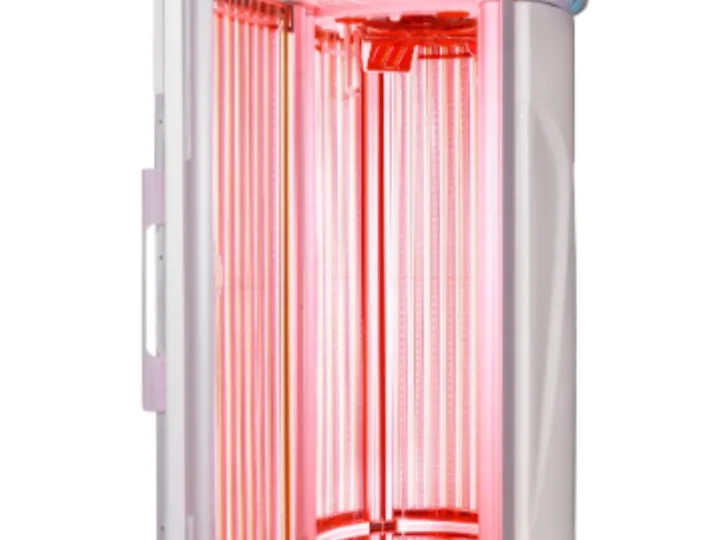
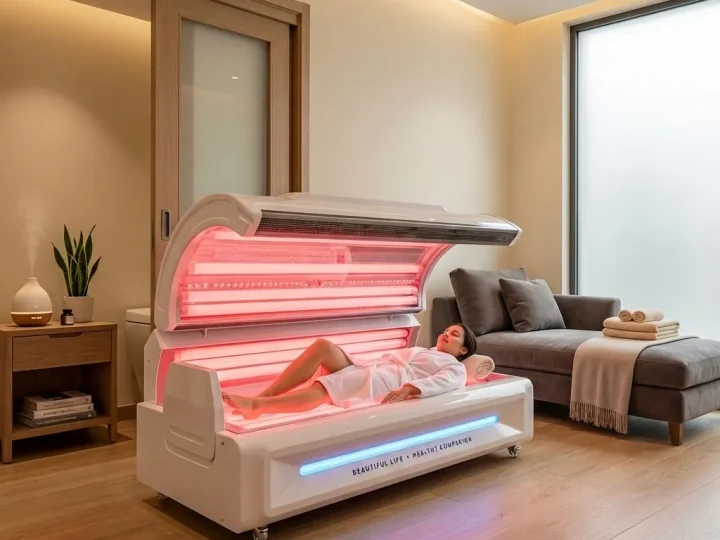
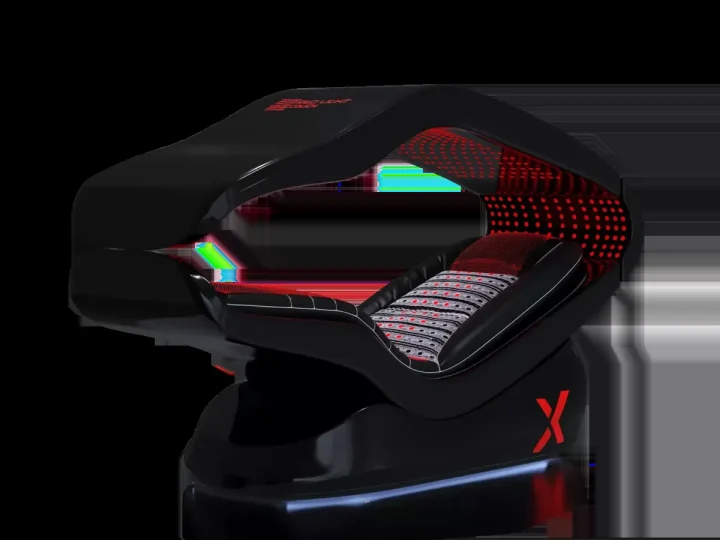
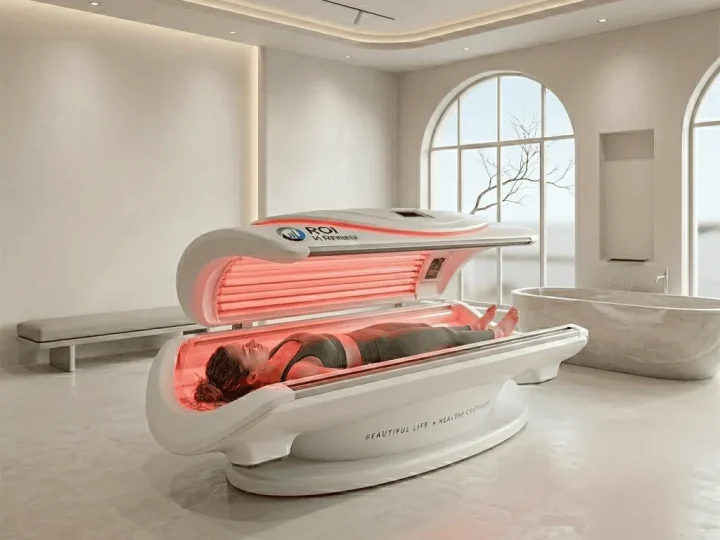
Red Light Therapy units we specify
-
 Sale
-
 Sale
-
-
 Sale
-
 Sale
-
 Sale
-
-
-
What operators usually ask.
Common Questions
How long before members feel results?
Member experience varies. Most consistent users report subjective benefits after 4–8 weeks of regular sessions (3–5 per week). Manage expectations against single-session miracle claims.
Can it be self-serve?
We answer this one live so it fits your facility. Ask us directly and we’ll walk you through it.
Should it be priced per session or by membership?
We answer this one live so it fits your facility. Ask us directly and we’ll walk you through it.