Modality Profile
Vibration Therapy
A lower-tier addition, not a hero modality — best positioned as a complement to strength and movement programming, particularly for facilities offering personal training.
- Equipment, by tier
- $3K–$15K+
- Per platform, incl. user space
- 30–50 sq ft
- Typical session price
- $15–$30
- Staffing — self-serve after orientation
- Low
What This Modality Is
Controlled vibration, transmitted through the body
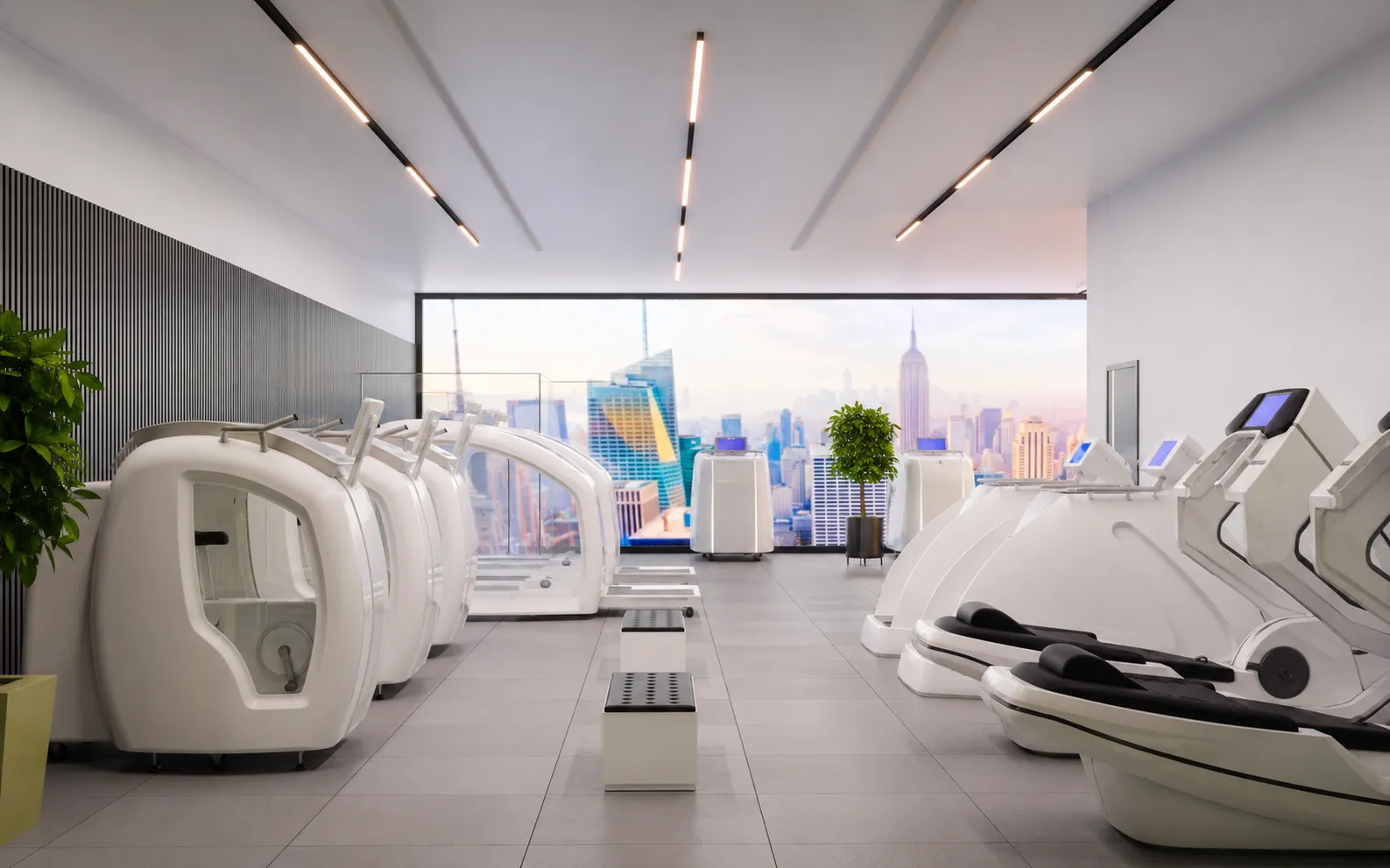
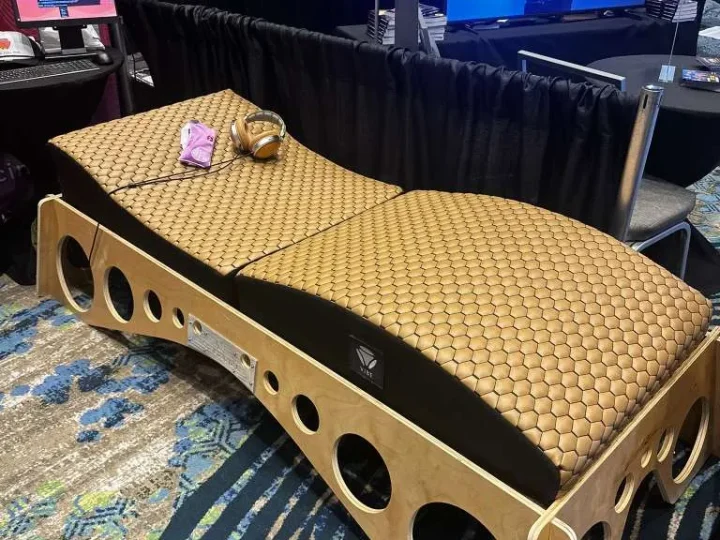
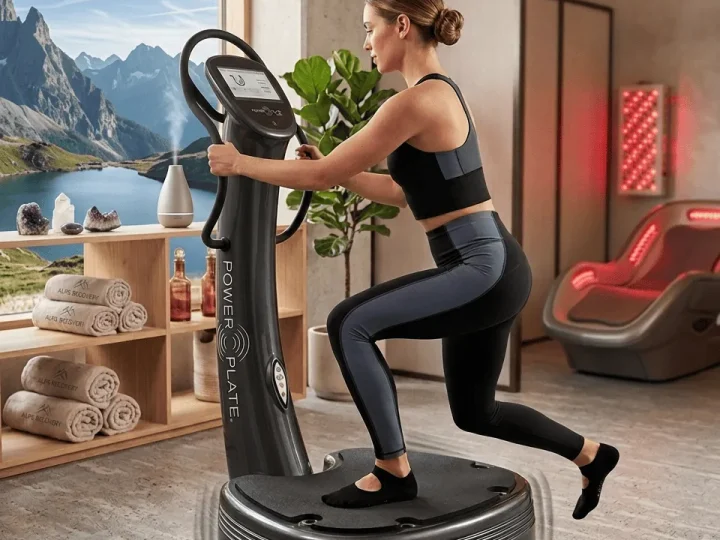
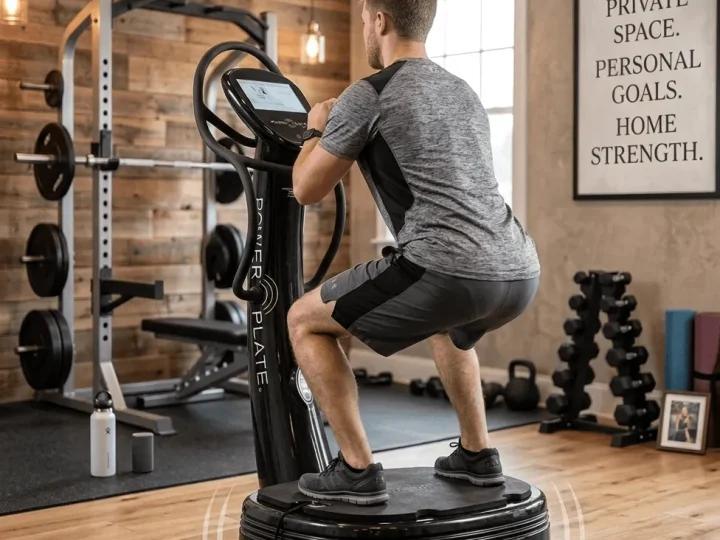
Vibration therapy uses platforms that vibrate at controlled frequencies and amplitudes. Members stand, sit, or lie on the platform, with the vibration transmitted through the body. It’s marketed for muscle activation, circulation support, and recovery.
How It Works
Rapid involuntary muscle contractions
Mechanical vibration causes rapid involuntary muscle contractions. Different frequencies — typically 25–50 Hz in commercial units — and amplitudes produce different physiological responses. Sessions are short, typically 10–15 minutes.
What it costs to add, and where it fits.
Capital Cost & Space Planning
Equipment & Capital Cost
- Entry-level commercial platform
- $3,000–$5,000
- Mid-range commercial platform
- $5,000–$8,000
- Professional-grade, extensive programs
- $8,000–$15,000+
Space, Power & Installation
- Footprint: 30–50 sq ft per platform, including user space
- Standard outlets typical
- Stable floor surface required — some facilities add vibration-dampening mats below the platform
- No special ventilation or installation requirements
Where vibration fits in your lineup.
Stack Positioning
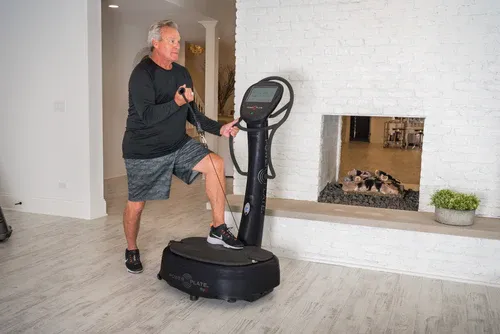
Vibration therapy is typically a lower-tier addition to a recovery offering, not a hero modality. It’s best positioned as a complement to strength and movement programming — particularly for facilities offering personal training, where platforms can integrate into pre-workout activation or post-workout recovery routines.
Where facilities lose money on this modality.
Common Operator Mistakes
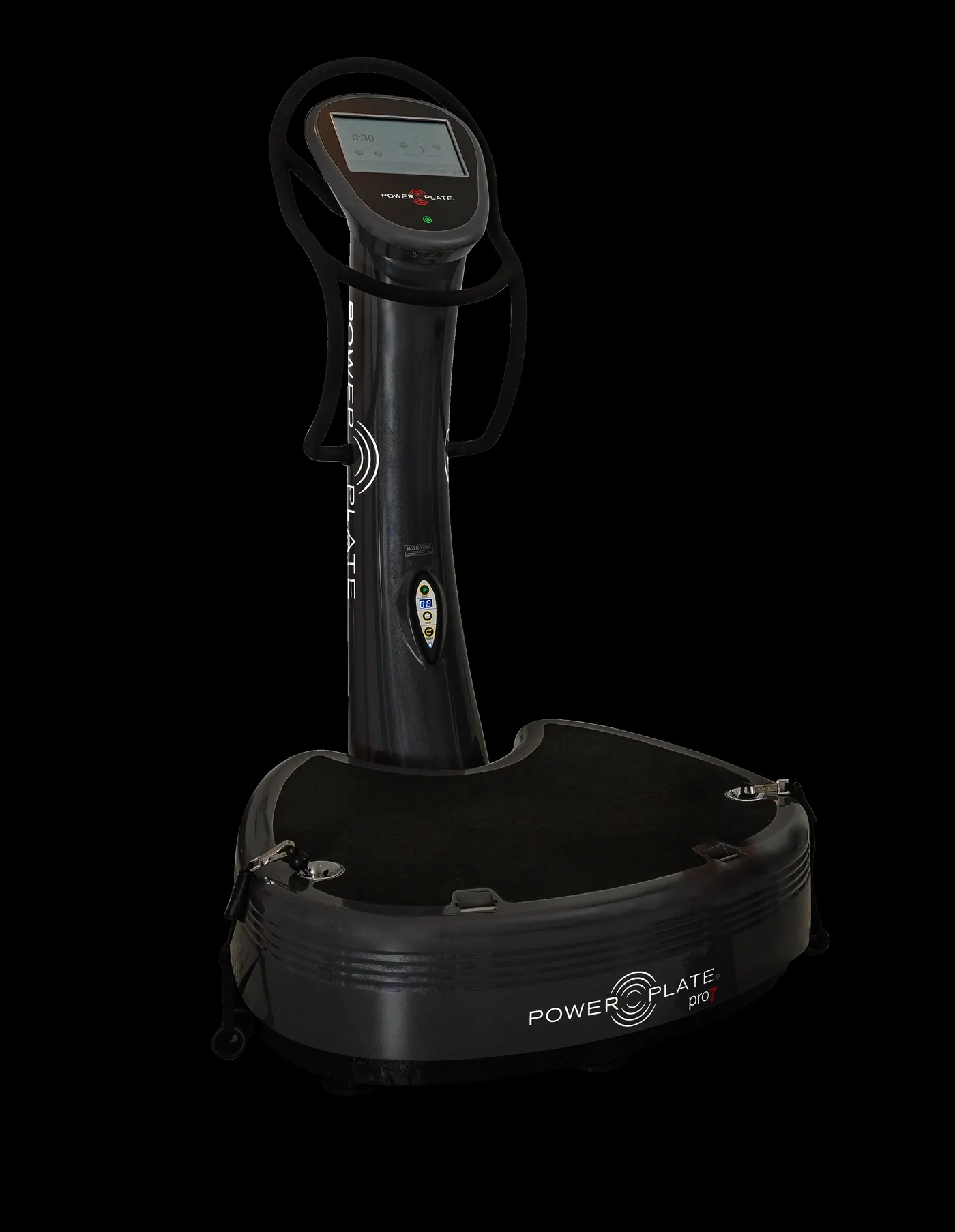
- Buying consumer-grade units for commercial use — bearings and motors fail under daily commercial duty cycles.
- No programming or protocol guidance — members don’t know what to do on the platform.
- Treating vibration as an exercise replacement rather than a supplement to programming.
- Inadequate screening for contraindications.
Who actually uses this, and why it matters.
Member Adoption Patterns
Moderate adoption
Requires active demonstration to drive engagement — this isn’t a modality members discover on their own.
Needs guided protocols
Members often need a guided protocol to perceive real value from a session.
Strongest in trainer-led sessions
Particularly effective when integrated into trainer-led sessions rather than offered as passive equipment.


What to check before you buy.
Vendor Selection Principles
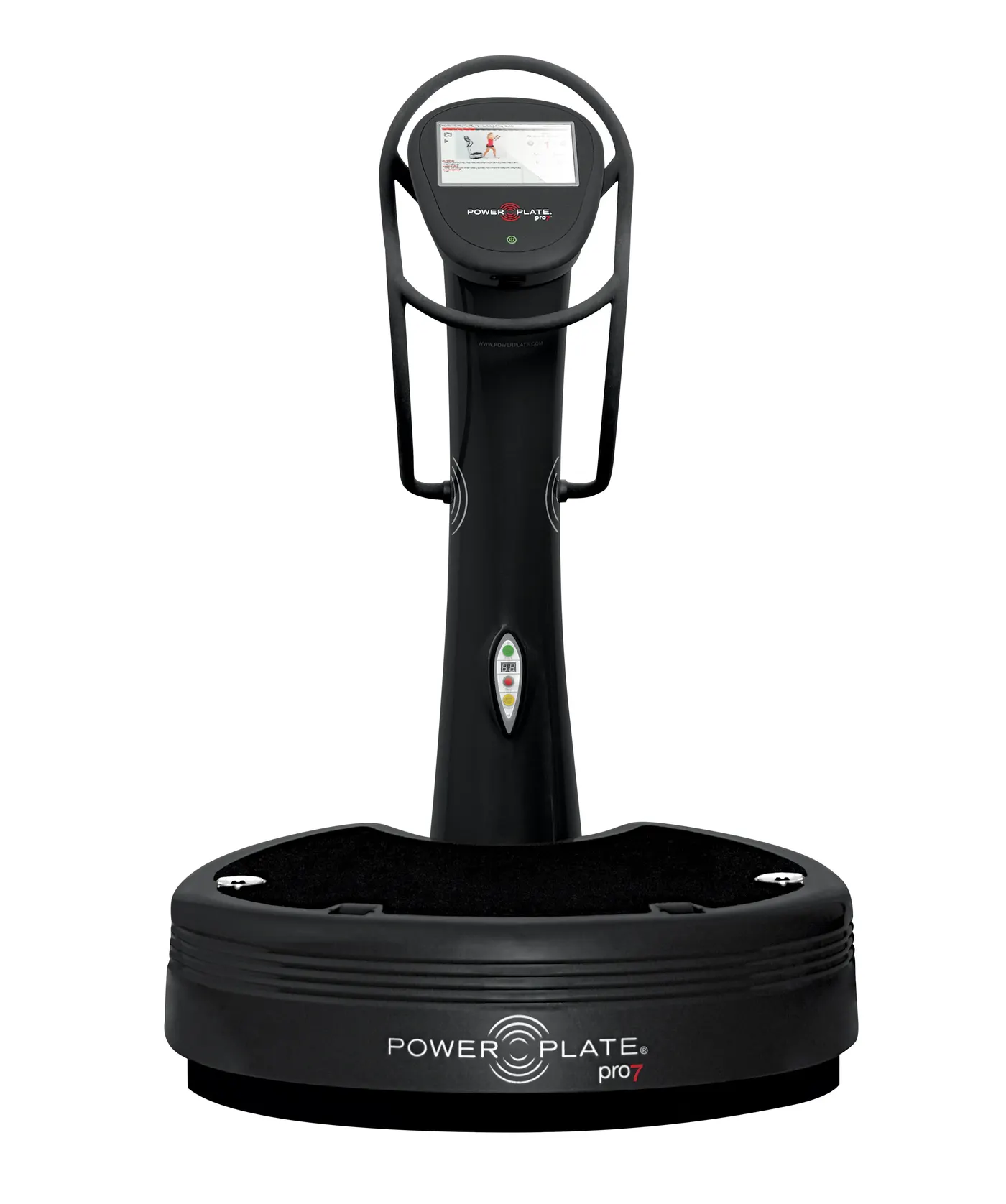
- Commercial-grade duty cycle warranty
- Frequency and amplitude specifications clearly transparent
- Program library and platform flexibility match your facility’s programming approach
- Service availability
What operators usually ask.
Common Questions
What frequency settings should be used?
Most commercial platforms operate in the 25–50 Hz range. Lower frequencies (25–30 Hz) are typically used for relaxation and circulation support; higher frequencies (35–50 Hz) for muscle activation. Manufacturer-supplied programs typically guide setting selection.
Who shouldn’t use vibration therapy?
We answer this one live so it fits your facility. Ask us directly and we’ll walk you through it.