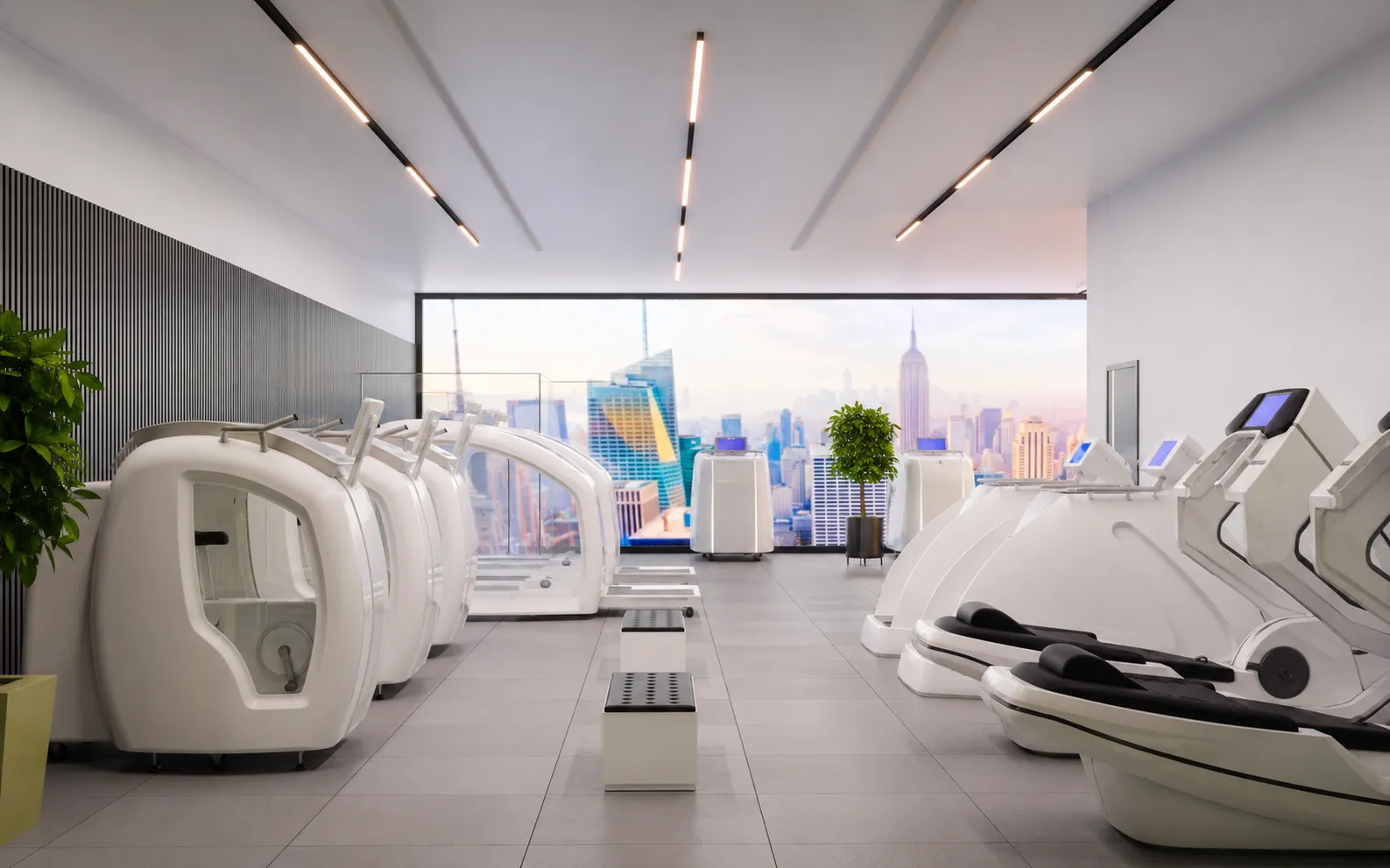
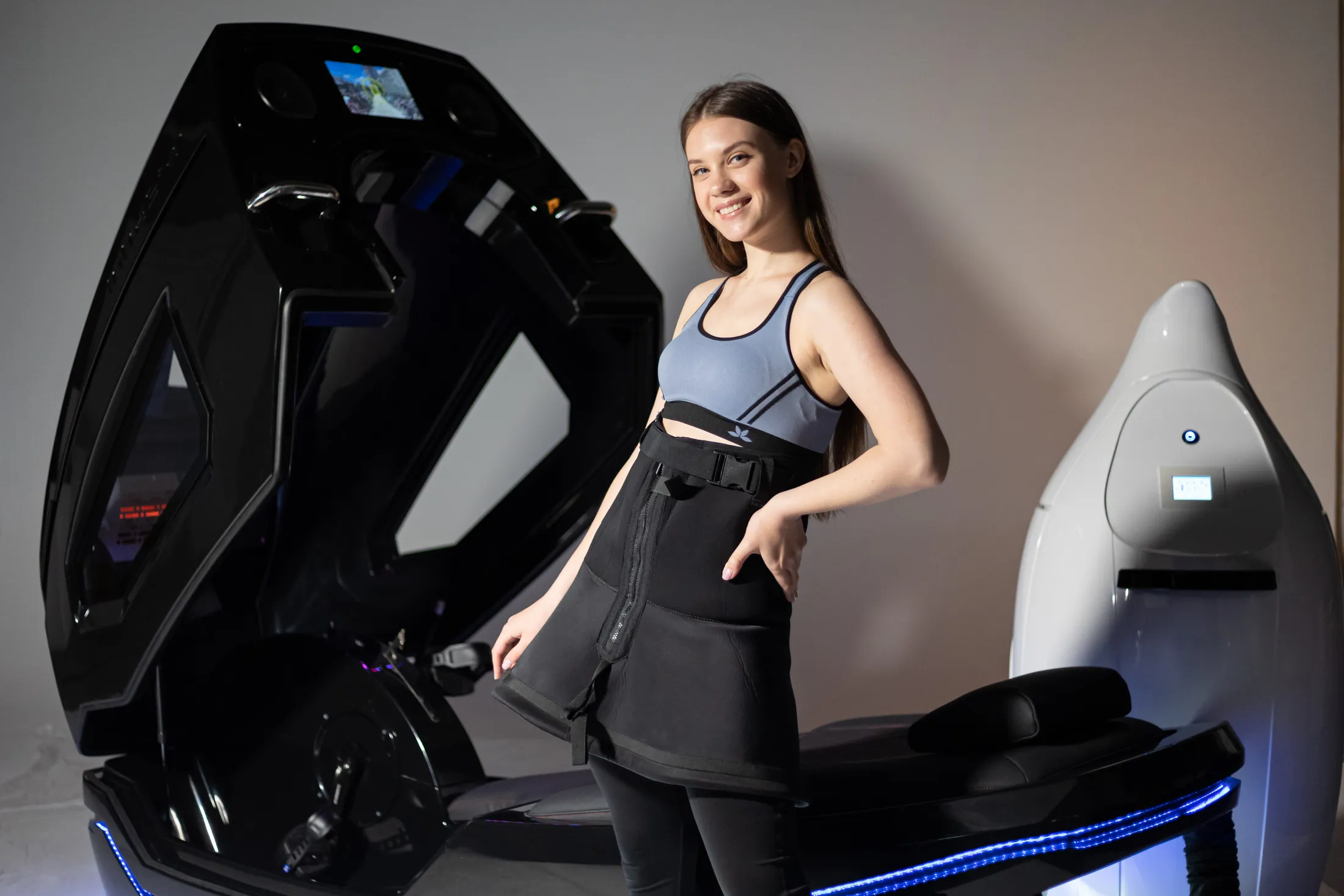
Modality Profile
Whole Body Cryotherapy
One of the most recognized, premium-priced recovery modalities in commercial wellness — an anchor offering that drives curiosity and walk-in inquiries when it's positioned right.
- Chamber, by configuration
- $40K–$150K+
- Total room, incl. prep area
- 80–150 sq ft
- Typical session price
- $30–$70
- Not self-serve
- Attendant required
What This Modality Is
Brief, extreme cold exposure
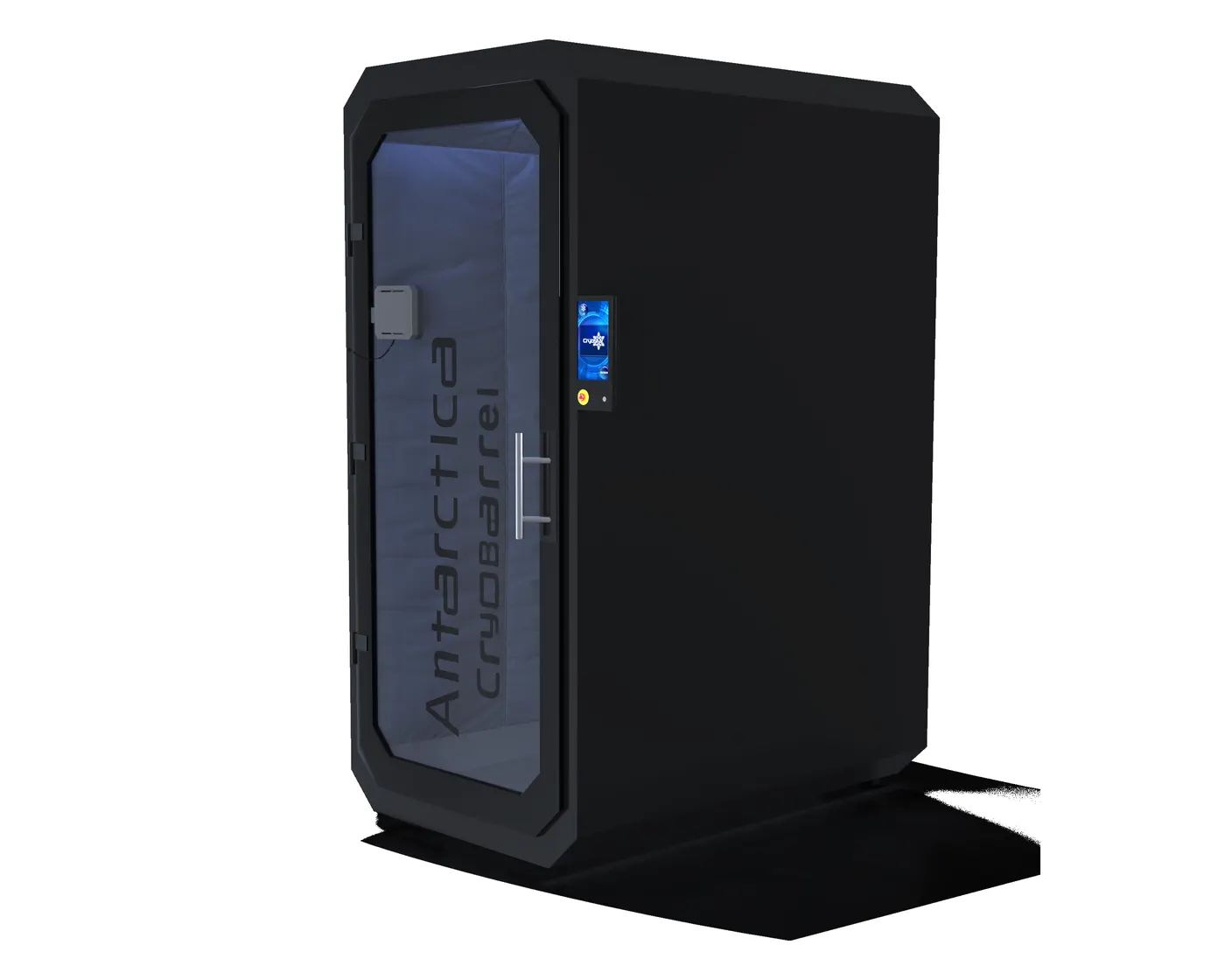
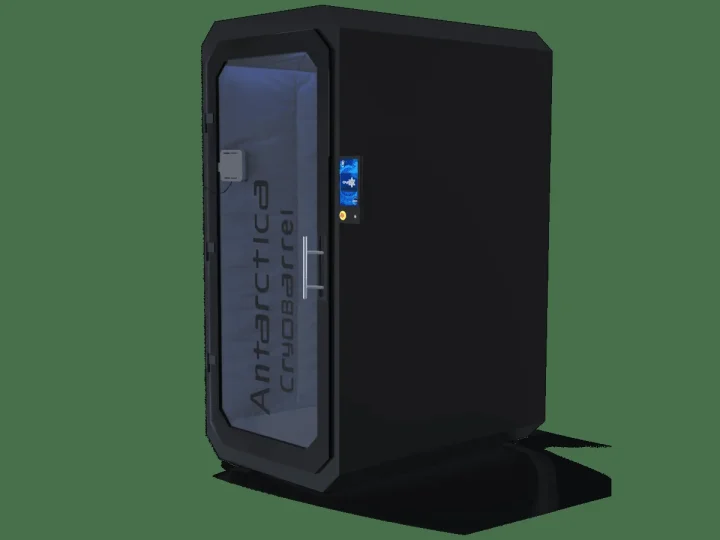
Whole body cryotherapy is a brief exposure — typically 2–3 minutes — to extreme cold inside an enclosed chamber. Skin temperature drops rapidly, triggering a vasoconstriction-then-vasodilation response. Two distinct equipment categories exist, with different operating profiles: nitrogen-cooled chambers (open-top, head exposed, -110°C to -160°C) and electric walk-in chambers (fully enclosed, -85°C to -110°C).
How It Works
Vascular cycling, in a short visit
The member stands in the chamber for 2–3 minutes while extremely cold air surrounds the body. Cold exposure constricts peripheral blood vessels; on exit, blood flow rebounds — this vascular cycling is the basis of the modality’s recovery and circulatory-support positioning. Total visit time including check-in, robe/glove/sock prep, session, and post-session is typically 10–15 minutes.
Nitrogen-cooled vs. electric walk-in.
The Equipment Decision That Shapes Everything Else
Both are legitimate commercial choices — the right one depends on your facility’s utilities, session volume, and local market preferences, not a universal "better" option.
- Lower upfront, ongoing consumable
Nitrogen-Cooled (Open-Top)
- -110°C to -160°C, head exposed
- Chamber cost: $40,000–$65,000
- Requires an ongoing nitrogen supply contract
- Operating cost: $5–$8 per session in nitrogen
- Footprint: roughly 4’×5′ plus operator station — 80–120 sq ft total room
- Higher upfront, no consumable
Electric Walk-In (Fully Enclosed)
- -85°C to -110°C, fully enclosed
- Chamber cost: $50,000–$100,000+ (premium multi-person: $90,000–$150,000+)
- No consumables, but significant electrical infrastructure required
- Operating cost: $2–$4 per session in electricity
- Footprint: roughly 5’×7′ plus operator station — 100–150 sq ft total room
What it costs to add, and where it fits.
Capital Cost & Space Planning
Total Project Cost Considerations
- Equipment cost is meaningfully less than total project cost
- Add for: installation, electrical work, ventilation, oxygen sensors (nitrogen units)
- Add for: flooring reinforcement and intake/check-in furniture
- Equipment plus operator station can exceed 1,500 lbs concentrated load
Space, Power & Installation
- Ceiling height: 8 ft minimum recommended
- Nitrogen units: typically standard outlets
- Electric units: dedicated 220V circuits, often multiple
- Ventilation is critical for nitrogen units — oxygen sensors are mandatory, exterior exhaust recommended
- Reinforce flooring for upper-floor installations
Where WBC fits in your lineup.
Stack Positioning
WBC functions as an anchor recovery offering and is often the most-marketed modality in a gym’s wellness suite. It pairs well with red light therapy (sequential "cold then light" protocol), compression therapy (post-cryo recovery flow), and contrast therapy (an alternative cold offering for variety). WBC competes directly with cold plunge in budget-conscious builds. When choosing between them, weigh capital cost (WBC is much higher), throughput per hour (WBC is higher), staffing requirements (WBC is higher), and member preference in your specific market.
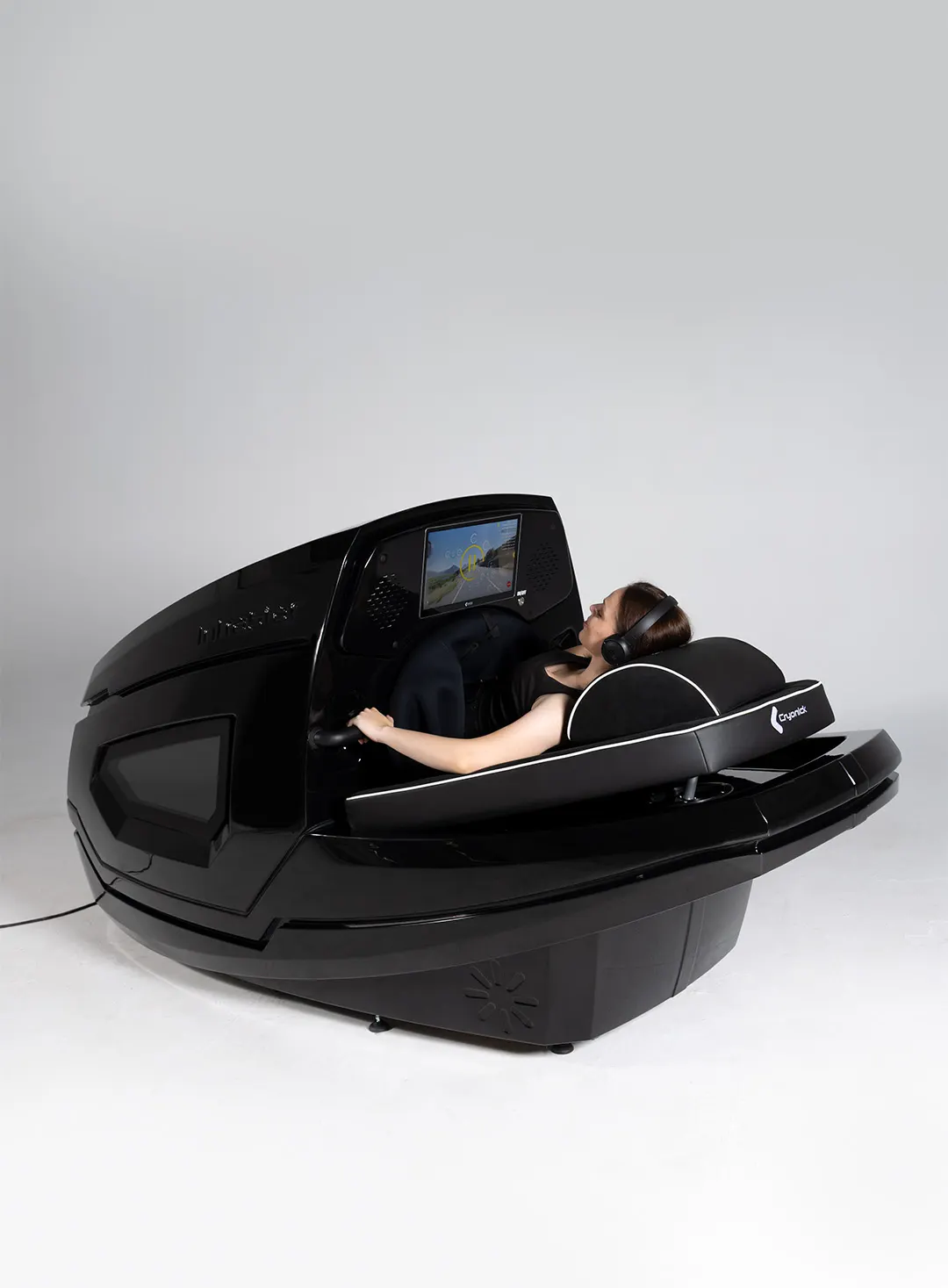
Where facilities lose money on this modality.
Common Operator Mistakes
- Underpricing the service, which undermines the premium positioning the equipment cost demands
- Skimping on staff training — WBC requires both safety competence and a strong member experience presentation
- Failing to sell memberships from day one and leaning on single-session revenue
- Placing the chamber in a low-visibility back room — WBC should be visible to drive curiosity and walk-in inquiries
- Choosing nitrogen vs electric without analyzing facility utilities, ongoing nitrogen supply costs, and market preferences
- Underestimating the staffing burden across operating hours — every session requires an attendant
- Not building a clear pre-session screening process for contraindications
Who actually uses this, and why it matters.
Member Adoption Patterns
Athletic, higher-income skew
Users skew athletically active, aged 25–55, with higher disposable income. Strong appeal to CrossFit, endurance, and serious recreational athletes.
High initial trial rate
Curiosity and social proof drive strong first-time trial — the visibility of the chamber matters.
Conversion needs early education
Membership conversion requires clear protocol education and a demonstrable experience improvement over the first 4–6 sessions.


What to check before you buy.
Vendor Selection Principles
- Manufacturer should offer real warranty terms — 3+ years on critical components is reasonable
- Service network must be accessible to your geography — chamber down means revenue stops
- Operator training and certification should be included or available
- Be wary of vendors who lead with medical claims — they expose buyers to FDA risk
- Confirm parts availability and typical service response time before purchase
What operators usually ask.
Common Questions
How many sessions per day can a single unit handle?
With efficient operations and a 4–6 minute turnaround between sessions, a single unit can support 30–50 sessions per day. Most facilities operate well below this ceiling.
Nitrogen vs. electric — which is better for ROI?
We answer this one live so it fits your facility. Ask us directly and we’ll walk you through it.
Can WBC be offered as a self-serve add-on?
We answer this one live so it fits your facility. Ask us directly and we’ll walk you through it.
What’s the typical payback period?
We answer this one live so it fits your facility. Ask us directly and we’ll walk you through it.